Static vs Dynamic Load Rating
What They Mean - And Why Dynamic Matters Most.
When choosing accessories like roof racks, hard lids or drawers, you’ll often see dynamic and static load ratings listed. Here’s what they mean and why dynamic matters most.
- Dynamic Load Rating
- Static Load Rating
Customers regularly ask why static loads are usually much higher — often around double the dynamic rating. Let’s break it downclearly and simply.
Dynamic Load Rating (The One That Really Counts)
Dynamic load is the maximum weight a product can safely carry while the vehicle is moving.
This includes
- Acceleration and braking forces
- Cornering loads
- Bumps, potholes, corrugations, and off-road impacts
When you drive, the loaddoesn’t just sit there - it constantly shifts and multiplies due to motion.
The 2G Rule (Why Static Is Often Double)
In real-world driving conditions, loads commonly experience forces of up to 2 times gravity (2G).
That means:
A 100kg load can effectively become 200kg under braking, bumps, or sudden movement.
Because of this,manufacturers typically calculate:
Static Load ≈ 2 × Dynamic Load
It’s a safety-based engineering standard used across automotive and off-road industries.
Static Load Rating (When the Vehicle is Stationery)
Static Load is the weight the product can support when the vehicle is not moving.
Examples include:
- People sleeping in a rooftop tent
- Gear being accessed while parked
- Weight resting on shelves or drawers when stationary
With no movement forces acting on the system, the load is far easier to manage structually.
This is why satic ratings are significantly higher.
Real Example: Roof Racks & Hard Lids
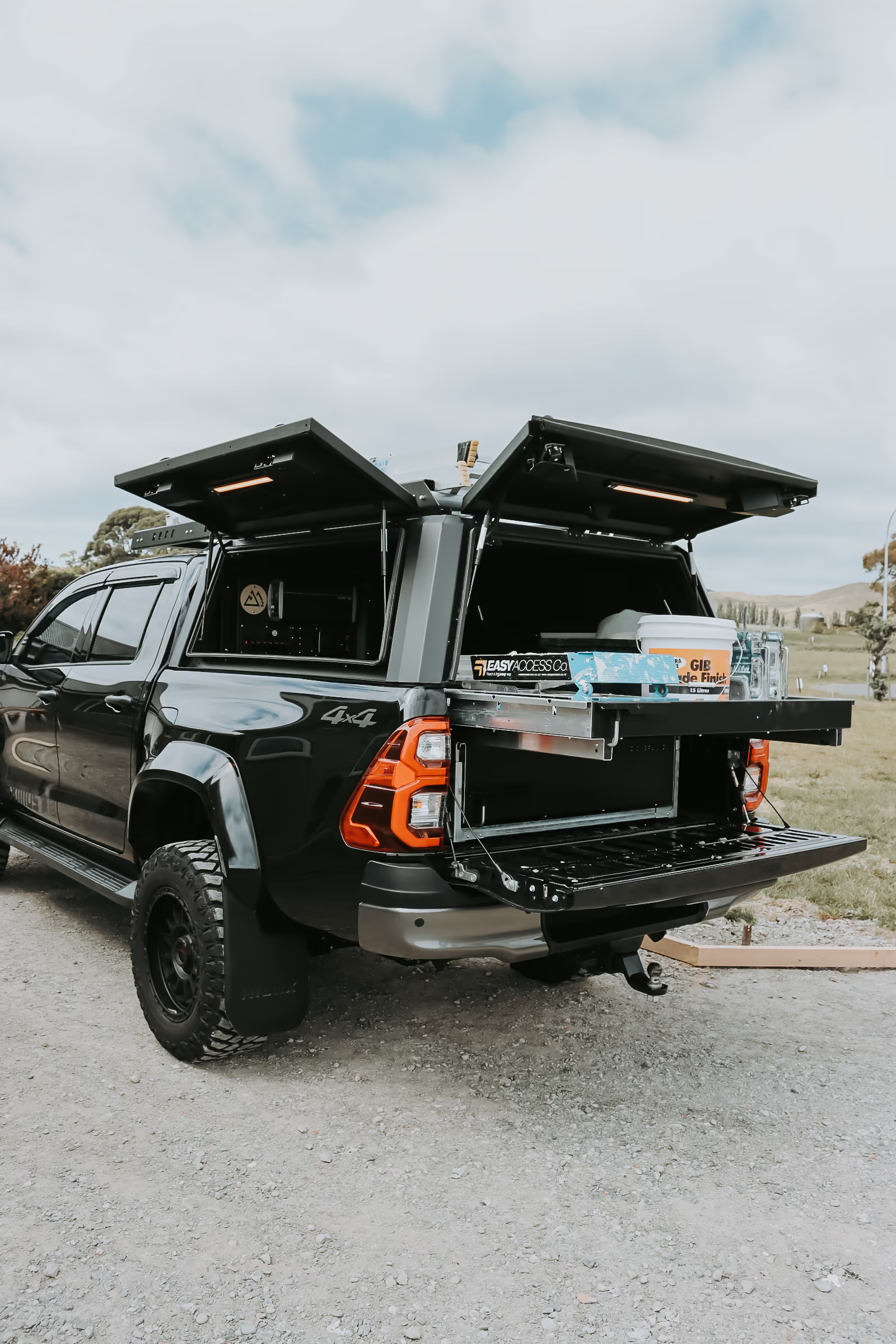
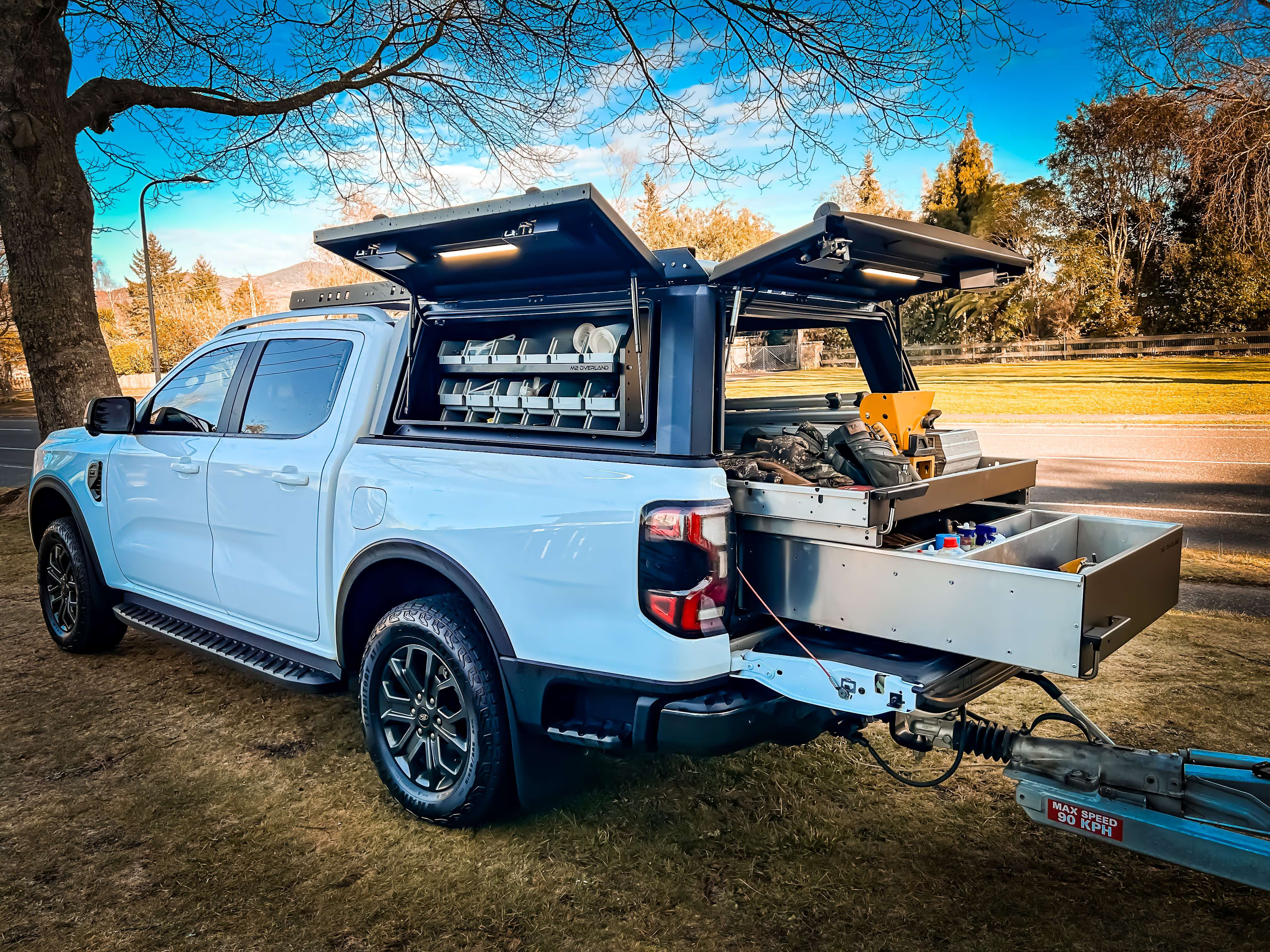
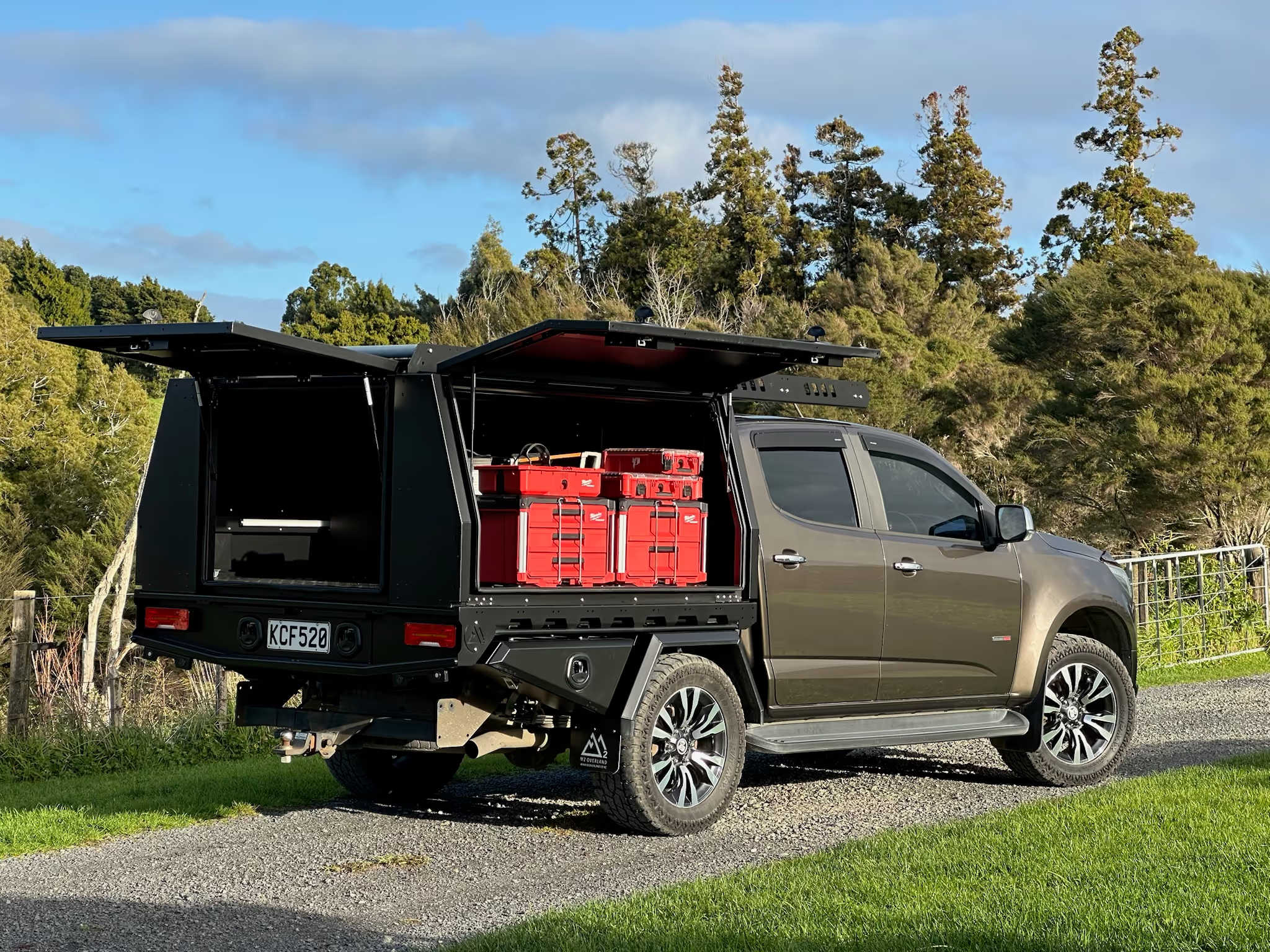
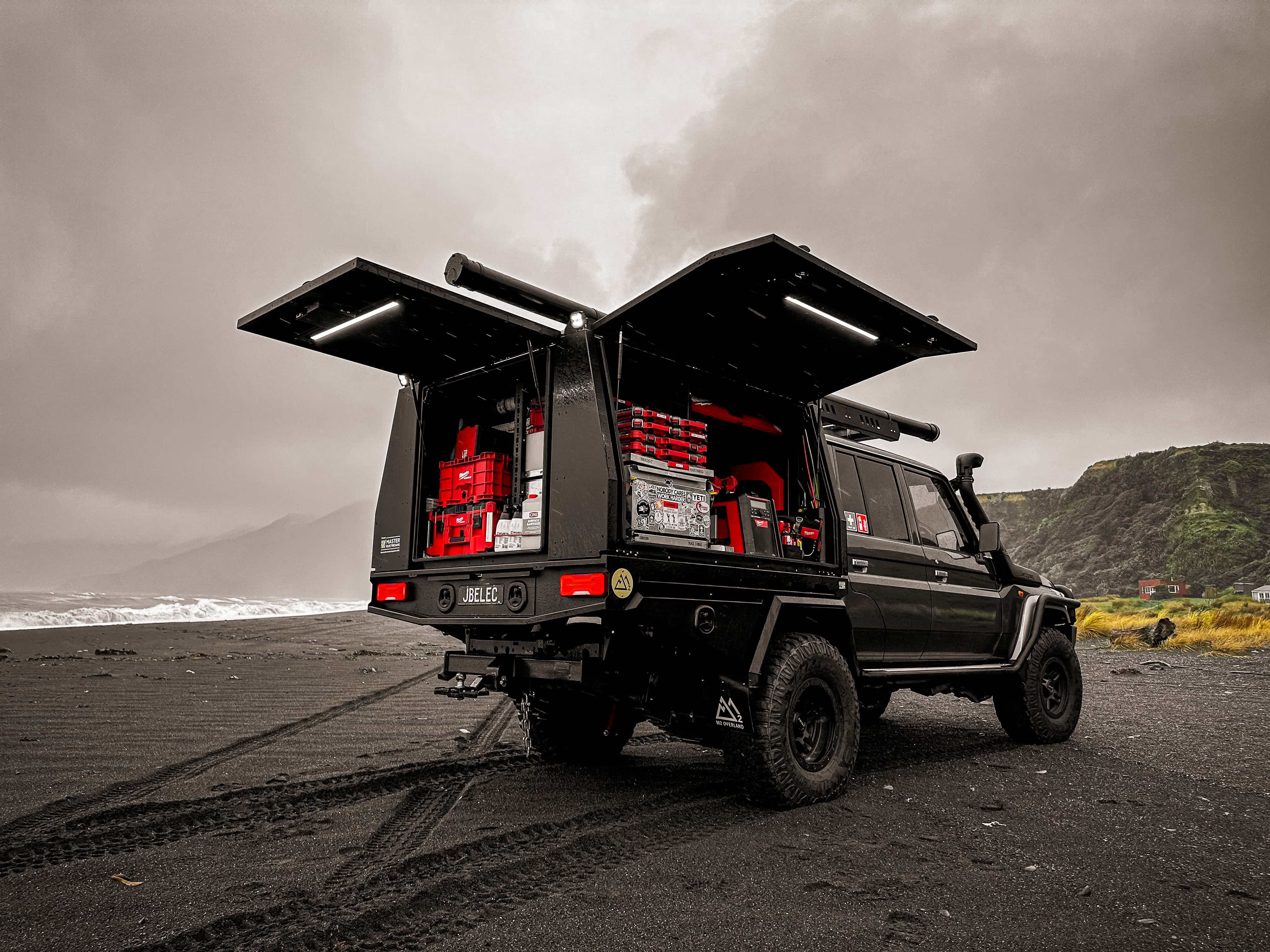
At M2 Overland, many of our systems are rated at:
- 200kg Dynamic Load
- 400kg Static Load
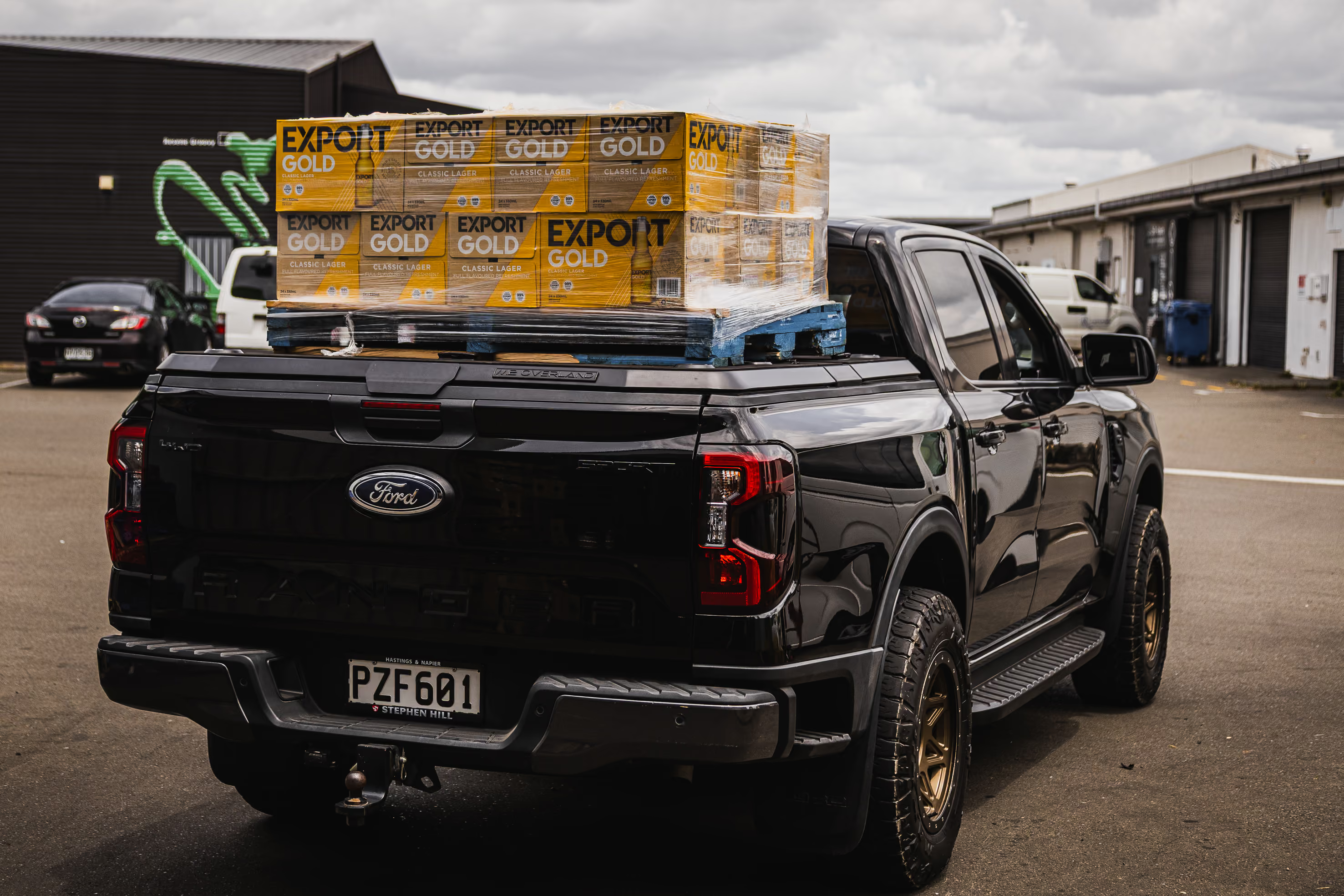
What does that mean in real use?
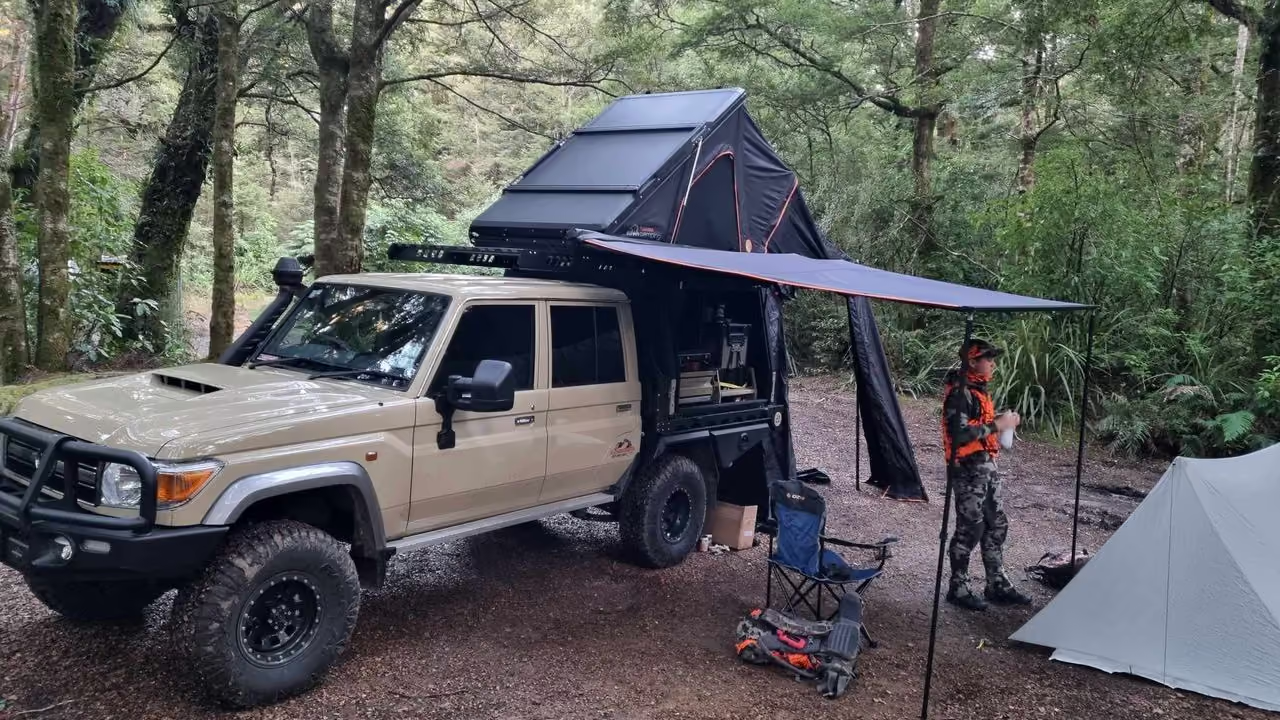
Rooftop Rent Scenario
- Tent weight: 60 - 80kg
- Two Adults sleeping - 200kg combined
Total Static load: 260-280kg
With a 400kg static rating, there is still a strong safety margin built in.
This is more than enough for real world use - without pushing unneccessary weight or over-engineering.
Why We Don't Chase Massive Static Numbers
Technically, we can engineer products to handle extremely high static loads. And in testing - we often do.
But here's the reality:
There are very few real-world reasons to need extreme static loads
Outside of rooftop tents, most setups will never come close to static limits.
Making products heavier and bulkier just to inflate static numbers:
- Adds unnecessary weight to vehicles
- Reduces payload capcity
- Impacts handling and fuel economy
- Doesn't improve real-world economy
Dynamic Load is Where Engineering Matters
Dynamic loading is the true stress test.
That's where:
- Weld Quality
- Material Choice
- Design Structure
- Mounting Systems
- Fatique Resistance
All come into play.
A product that looks strong statically but performs poorly dynamically will fail in the real world use.
At M2 Overland, we design and validate around:
- Real driving forces
- Off-road conditions
- Long-term fatigue
- Safety margins
Static capcity is a by-product of good dynamic engineering - not the main goal.
Where Static Loads Still Matter
There are a few cases where static rating is genuinely important.:
- Rooftop tents
- People accessing roof-mounted gear
- Heavy stationary loads (rare)
In these scenarios, our systems already exceed practical requirements comfortably.
Anything beyond that offers no real benefit.
Our Approach at M2 Overland
Across our product range - including:
- Roof racks
- Load bars
- Hard Lids
- Drawers
- Shelving systems
- Deck Sliders
We focus on:
✔ Strong dynamic performance ✔ Sensible static capacity ✔ Real-world usability ✔ Safety first
We test well beyond advertised static loads, but rate products based on what actually matters indaily and off-road driving.
The Takeaway
Static loads are higher because vehicles create up to 2G forces when moving.
That’s why you’ll often see:
Static ≈ 2 × Dynamic
And while we can build products with huge static numbers - there’s rarely a reason to.
What matters most is:
➡ Dynamic strength ➡Durability ➡ Safety in real driving conditions
Which is exactly what our systems are engineered for.
If you ever have questions about load ratings, real-world use, or what’s right for your setup - our team is always happy to help.