Why You Shouldn’t Bridge Loads Between a Ute Cab & Canopy | M2 Overland
Your Ute Is Designed to Flex
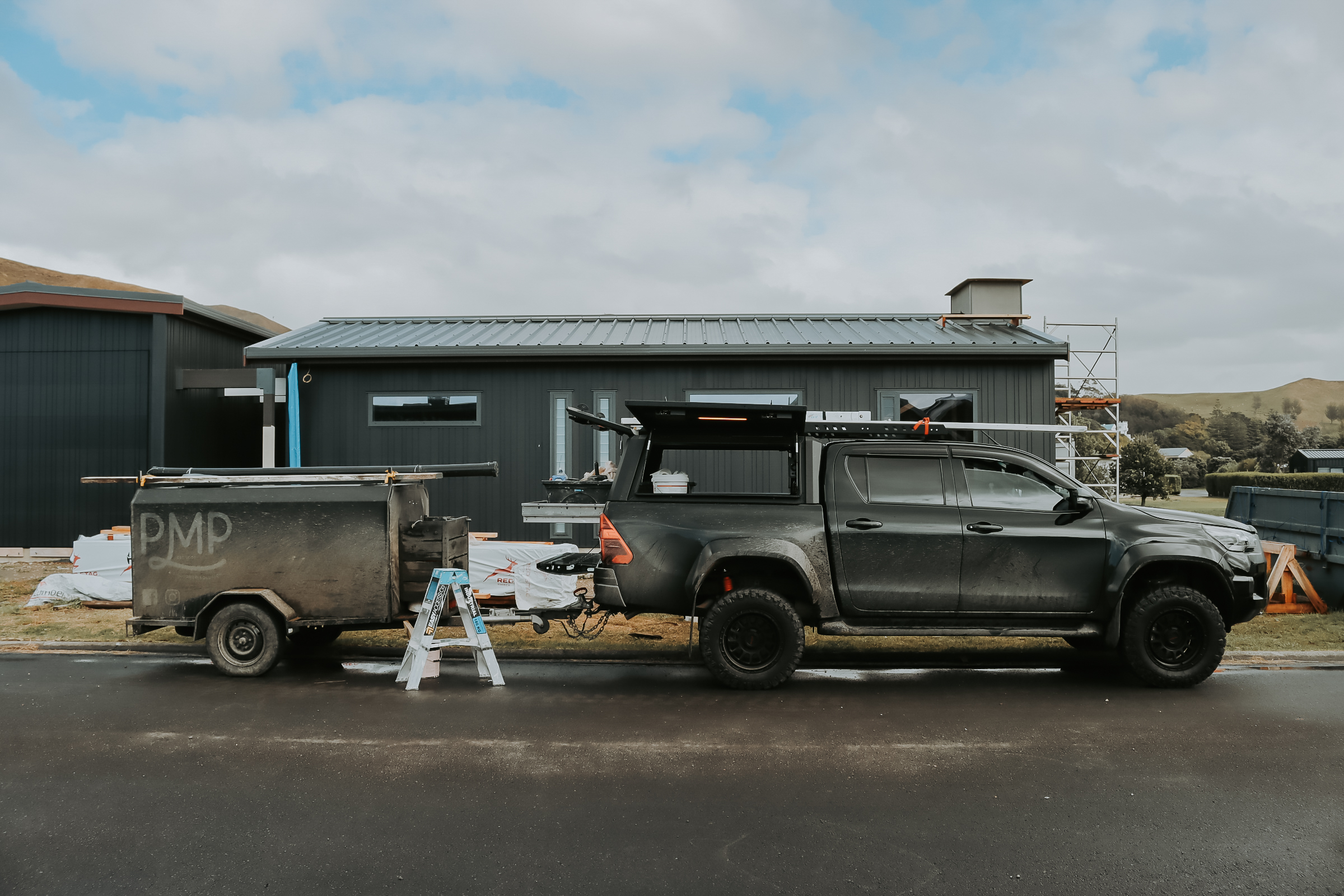
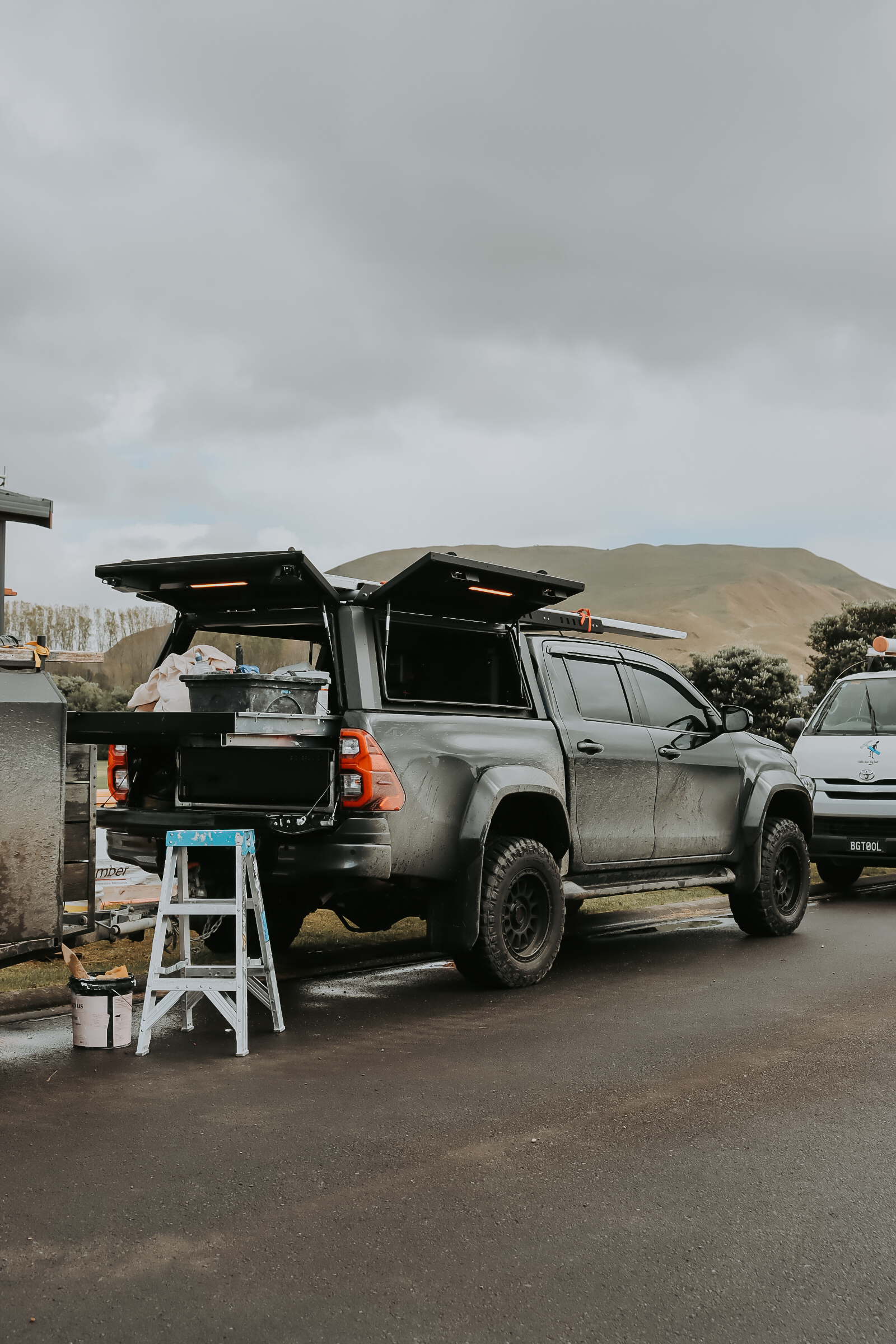
It’s a common sight on worksites, farms and weekends away: ladders, timber, pipes or kayaks strapped between a roof rack on the ute cab and another mounted to the canopy. It looks secure. But there’s a problem: your ute cab and tub don’t move together.
A dual cab ute isn’t one rigid structure. As you drive over uneven roads, paddocks, driveways or off-road terrain, the chassis flexes. The cab and tub respond to that movement independently.
Normally, that’s exactly what they’re designed to do.
But when you strap a rigid load between a cab-mounted roof rack and a canopy roof rack, that load effectively becomes a bridge between two structures moving independently of one another.
That can create significant forces through the load, roof racks, canopy and mounting points.
Over time - particularly with longer, heavier loads or regular off-road driving - this can contribute to:
- Damage to roof racks and mounting points
- Stress or distortion through the ute canopy
- Unwanted load movement
- Stress or damage to the load itself
- Premature wear of mounting hardware
- Increased risk of failure under demanding conditions
A better way to carry long loads
The solution is simple: support the load from one structure, rather than bridging the cab and canopy.
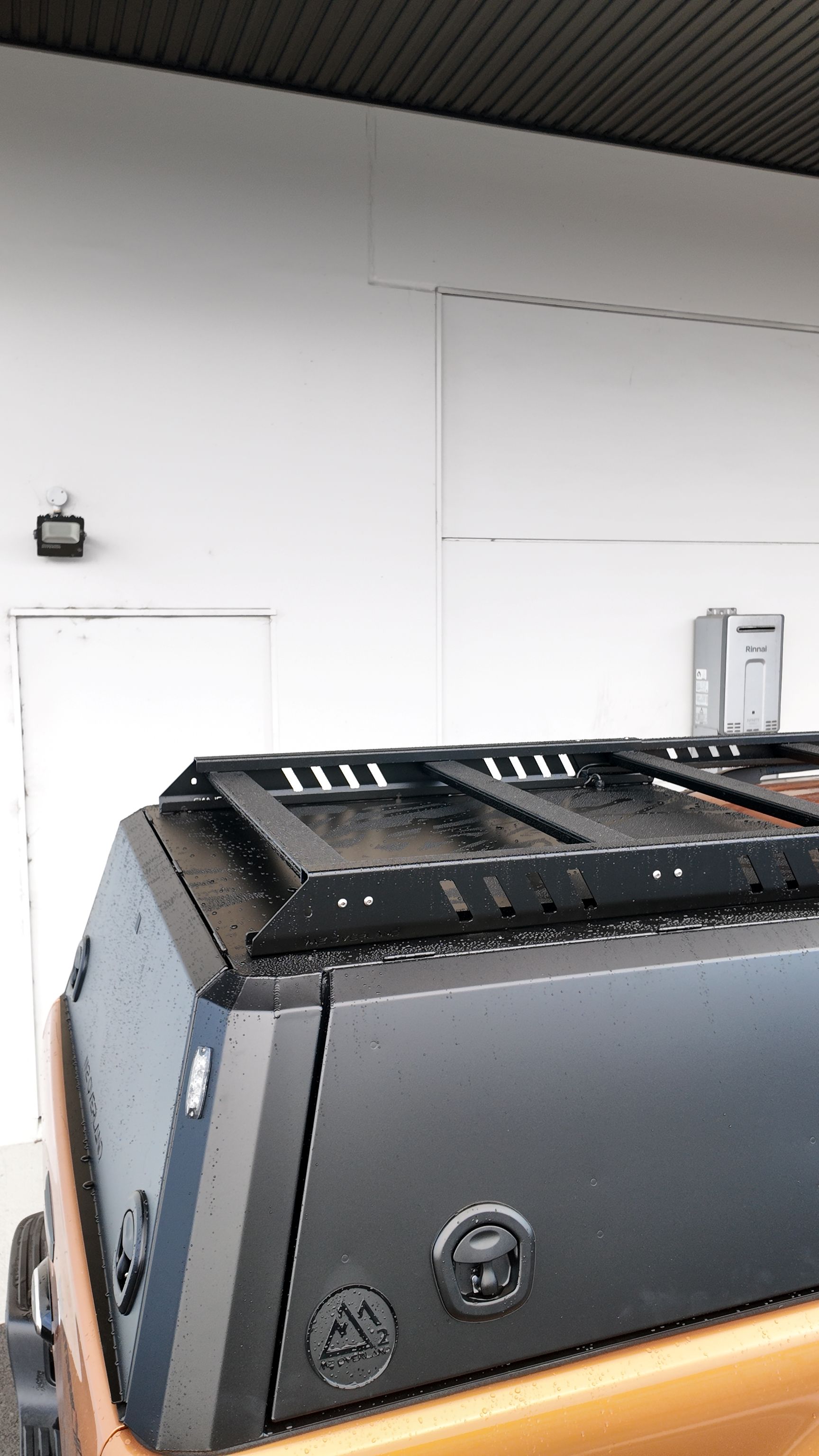
That thinking is behind the M2 Overland Cantilever Roof Rack.
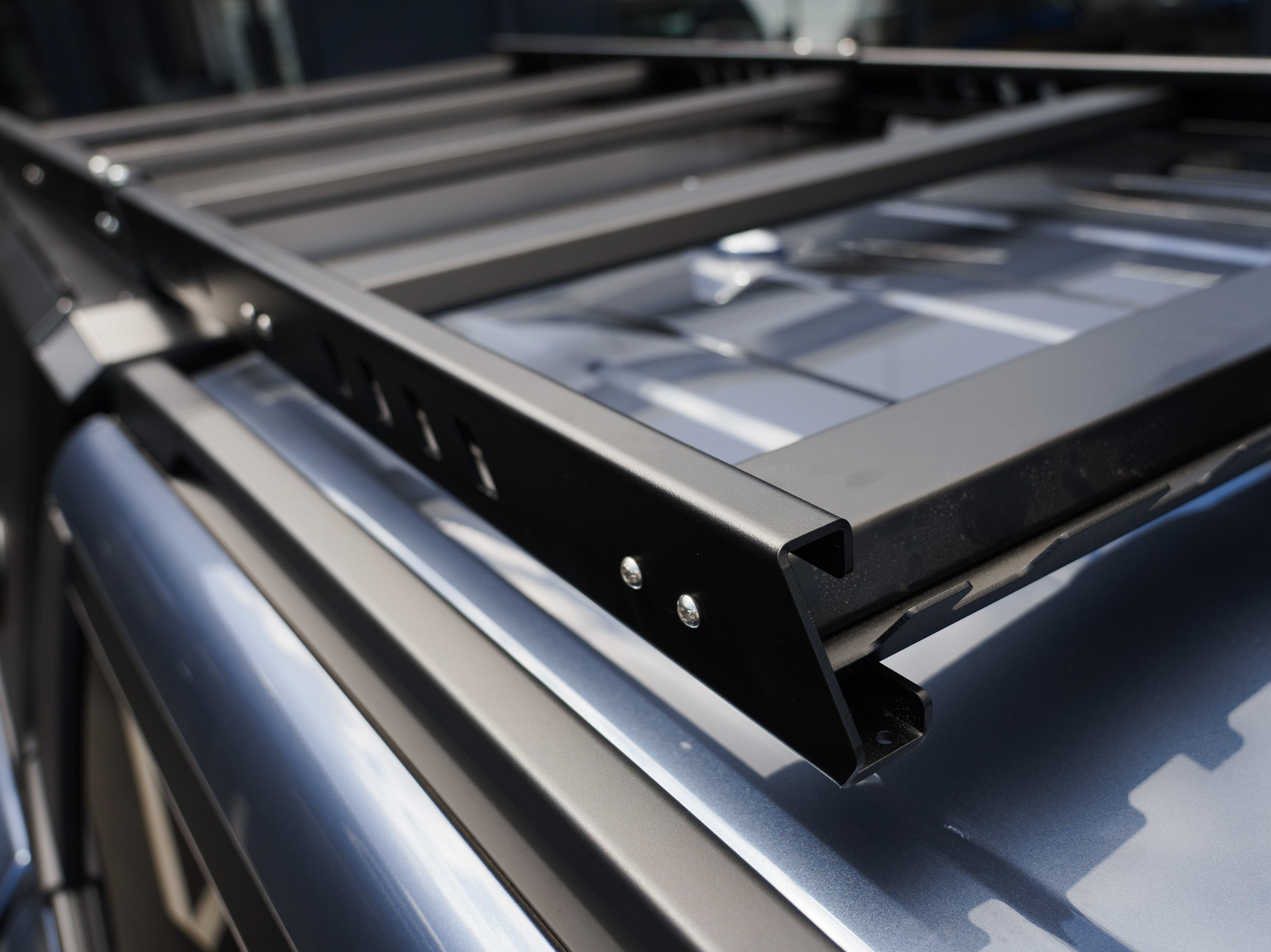
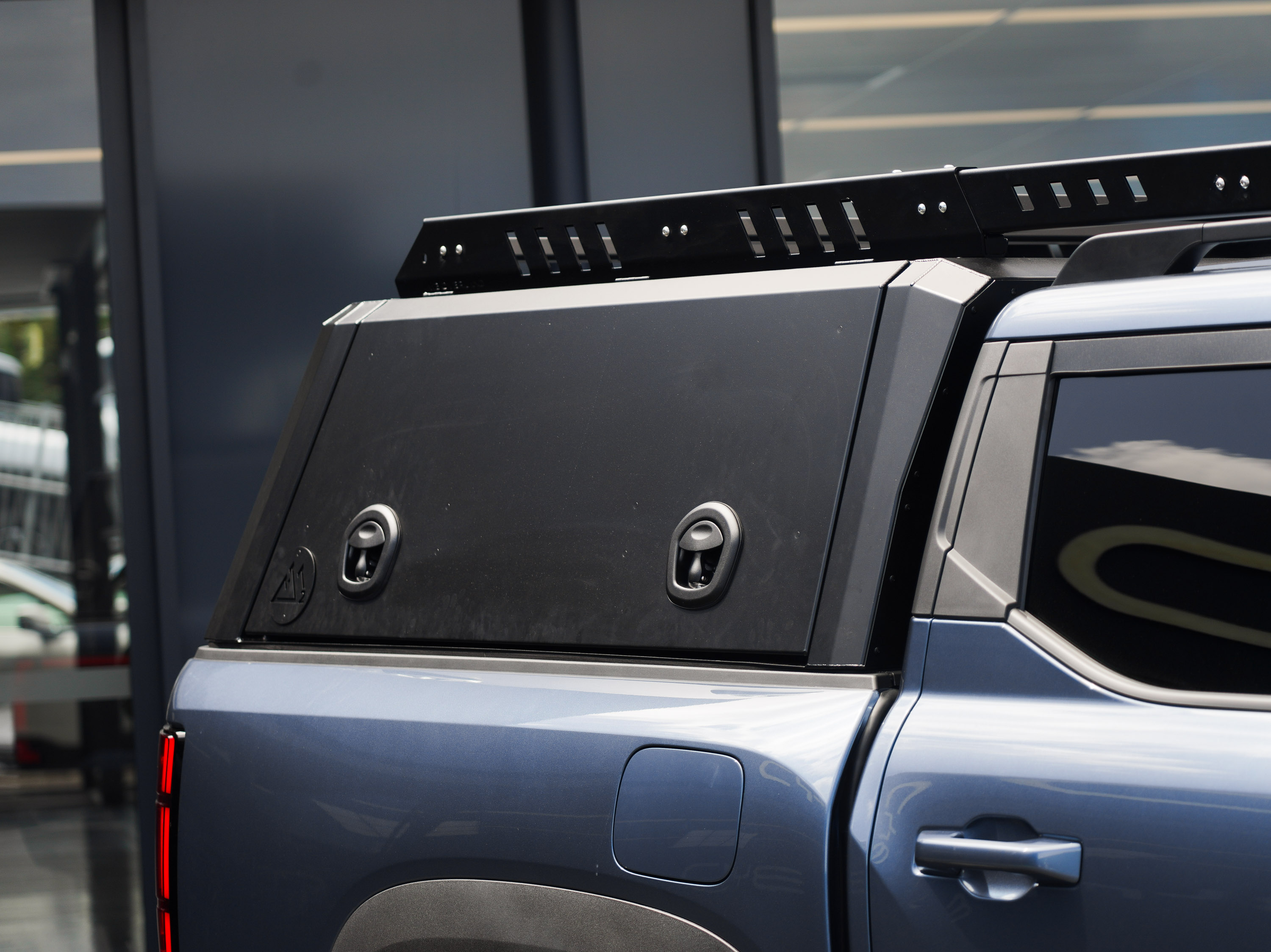
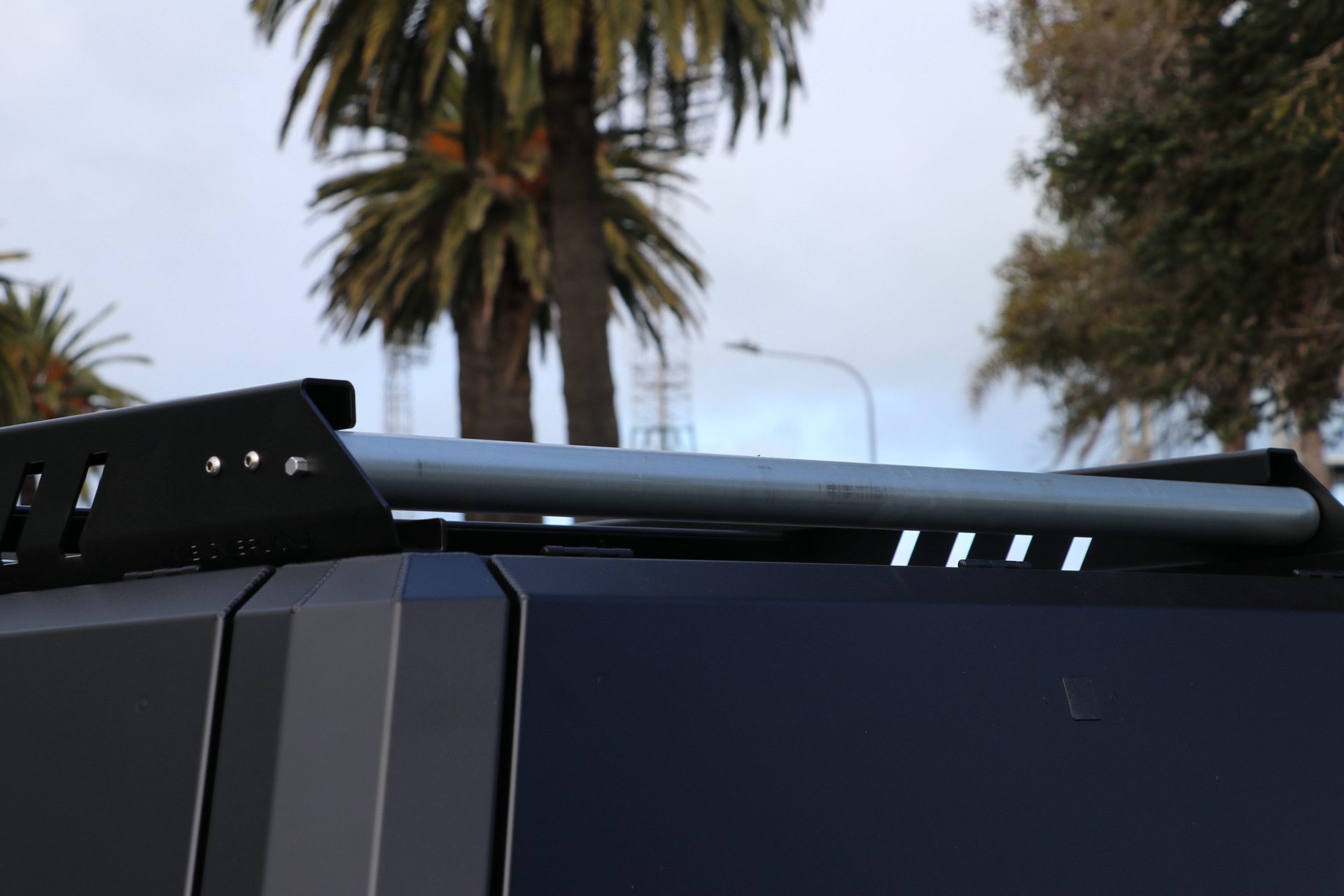
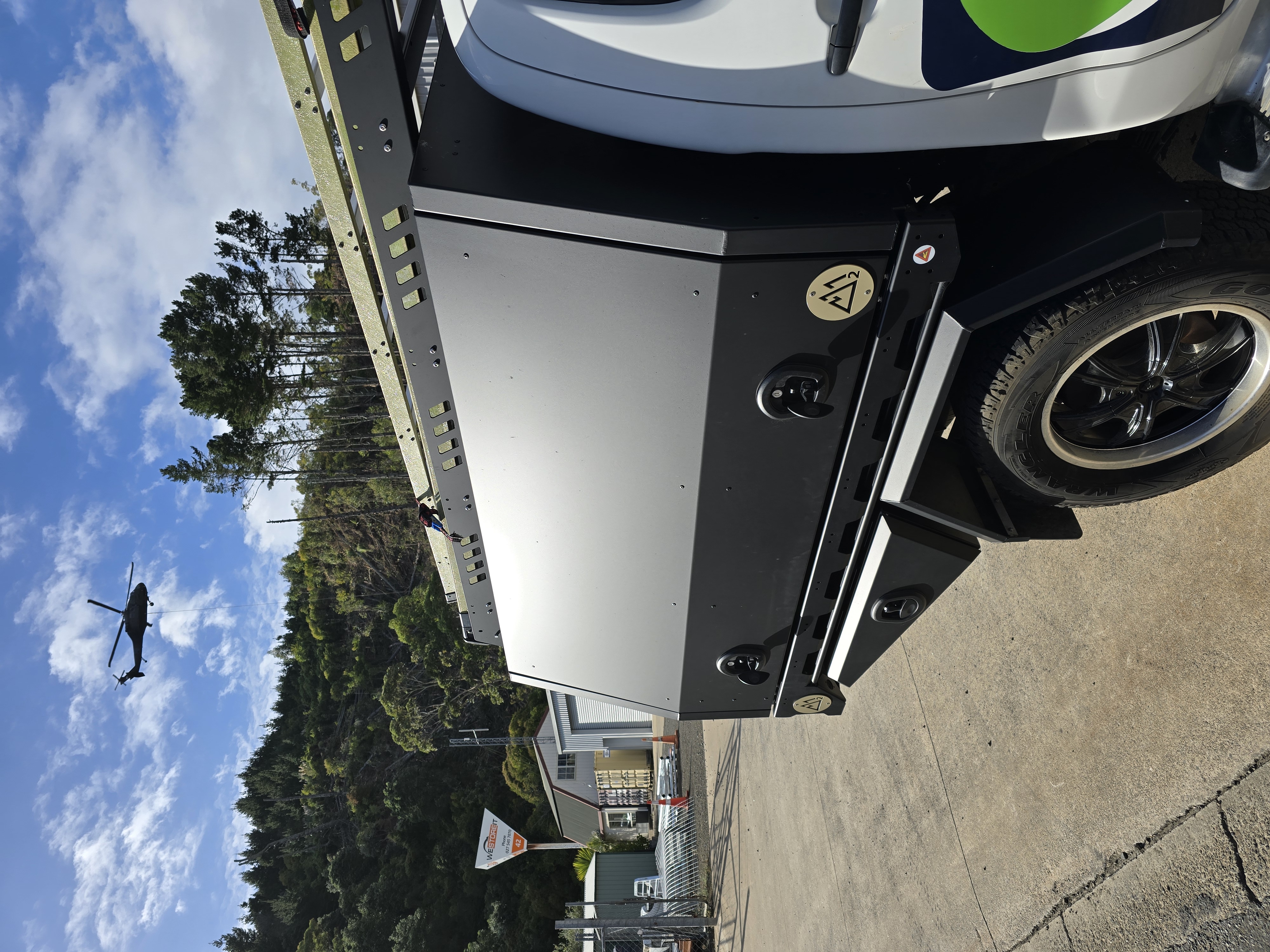
Our cantilever system mounts to the canopy and extends forward over the ute cab without connecting to the vehicle roof.
This allows the cab and tub to move independently as intended, while your ladders, conduit, timber, pipes, kayaks or other longloads remain supported by a single engineered structure.
The result is less unwanted load transfer between the cab and tub, reduced stress on the vehicle and a roof rack system designed for the realities of carrying long loads.
Engineered for New Zealand Conditions
From worksites and farms to forestry roads and backcountry tracks, New Zealand conditions can put serious demands on utes and their accessories.
At M2 Overland, we design around how vehicles actually behave in the real world.
Because sometimes the strongest solution isn’t another tie-down.
It’s engineering the problem out altogether.