Mitsubishi Triton Canopy, Hard Lid & Tray Guide (NZ)
Built for real load - not just paper specs
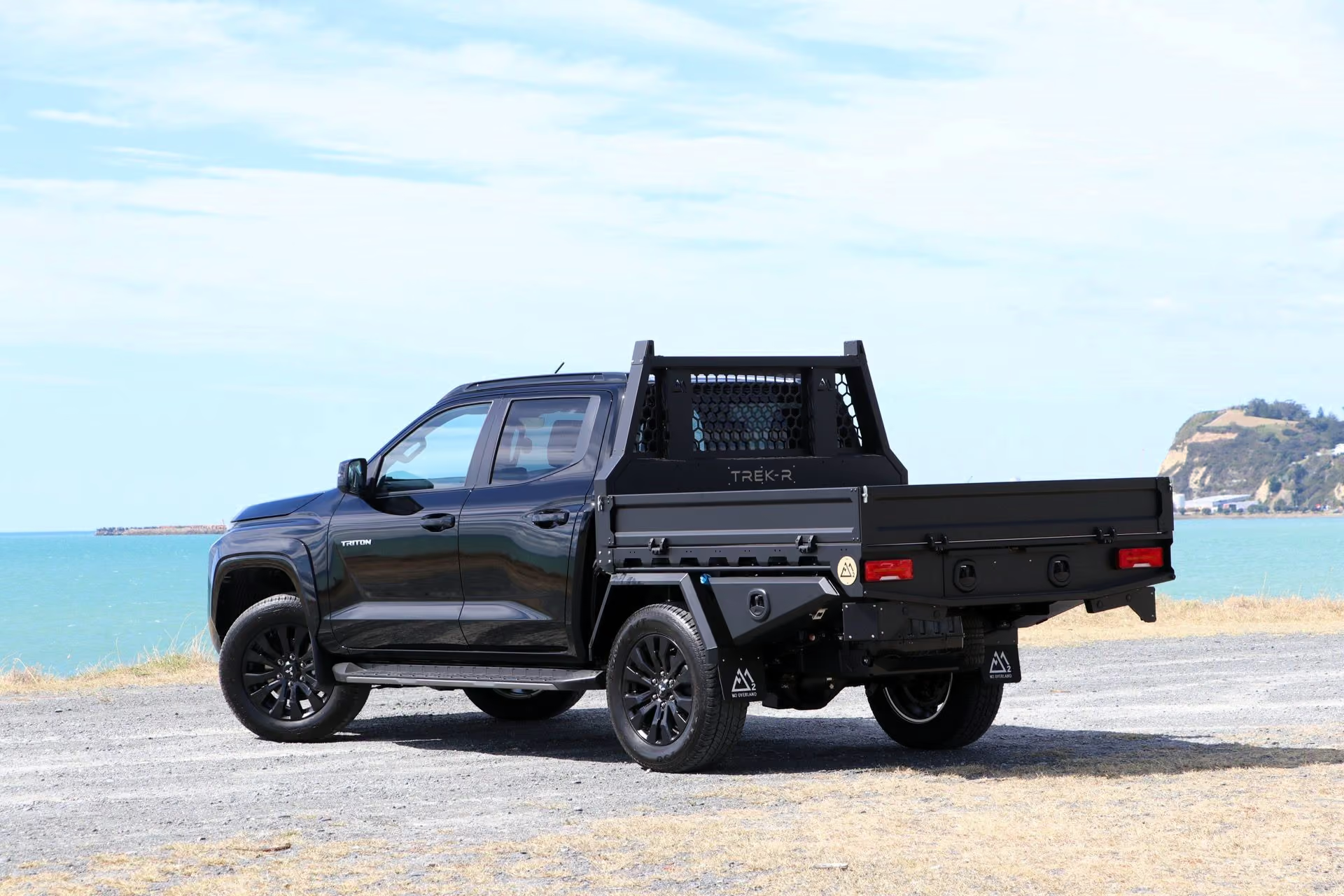
The Mitsubishi Triton is one of the most practical utes to build on in New Zealand - not because of marketing numbers, but because of what it can legally carry where it matters most. Most builds fail at the rear axle. That’s where the Triton stands out.
Why Triton is Different (Rear Axle Advantage)
When you set a ute up properly - canopy, drawers, tools,gear - most of the weight sits over or behind the rear axle.
That means:
Your rear axle limit is usually the first thing you hit - not your GVM.
What most people look at:
- GVM (Gross Vehicle Mass)
What actually matters:
- Rear axle capacity (RGAWR)
The Triton advantage
The Triton has a high factory rear axle rating compared to most utes.
In practical terms:
- It can legally carry more weight over the rear
- It handles canopy + drawer + tool setups better
- It stays compliant under real working loads
Most importantly:
A standard Triton’s rear axle capacity is comparable to a Ford Ranger that’s already had a GVM upgrade.
That’s a big deal.
Because with most utes:
- You hit rear axle limited early
- Even after a GVM upgrade
- You're still restricted where the weight actually sits
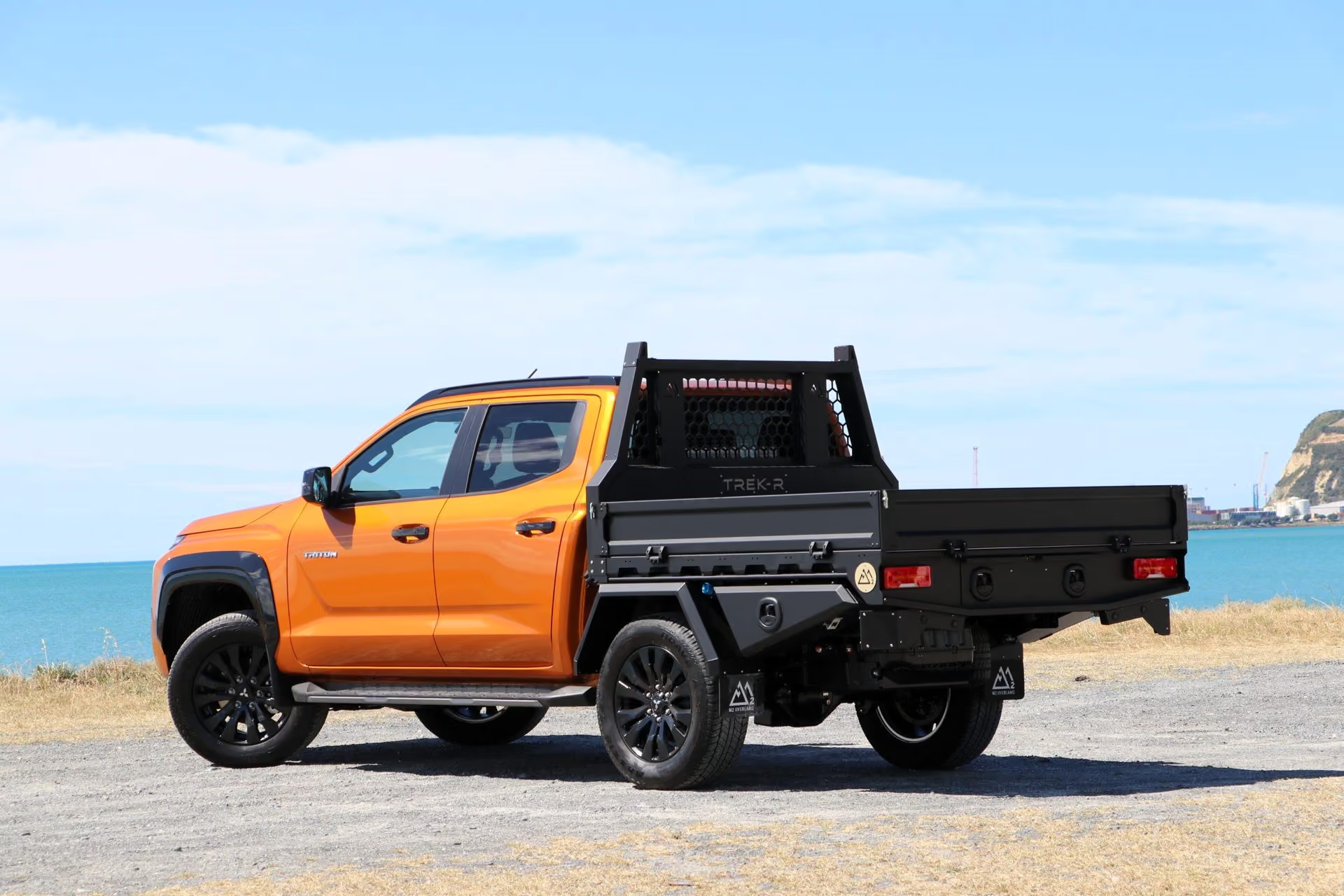
Why rear axle weight matters (real-world)
Typical load setup:
- Canopy or hard lid
- Drawers / sliders
- Tools or camping gear
- Towball weight (if towing)
Where does that weight sit?
Over the rear axle.
What happens with most utes;
- Rear axle maxes out
- Vehicle becomes non-compliant
- Insurance risk increases
- Handling suffers
What Triton gives you:
- More legal carrying capacity where it counts
- Better weight tolerance for real builds
- Less relaince on upgrades just to make it usable
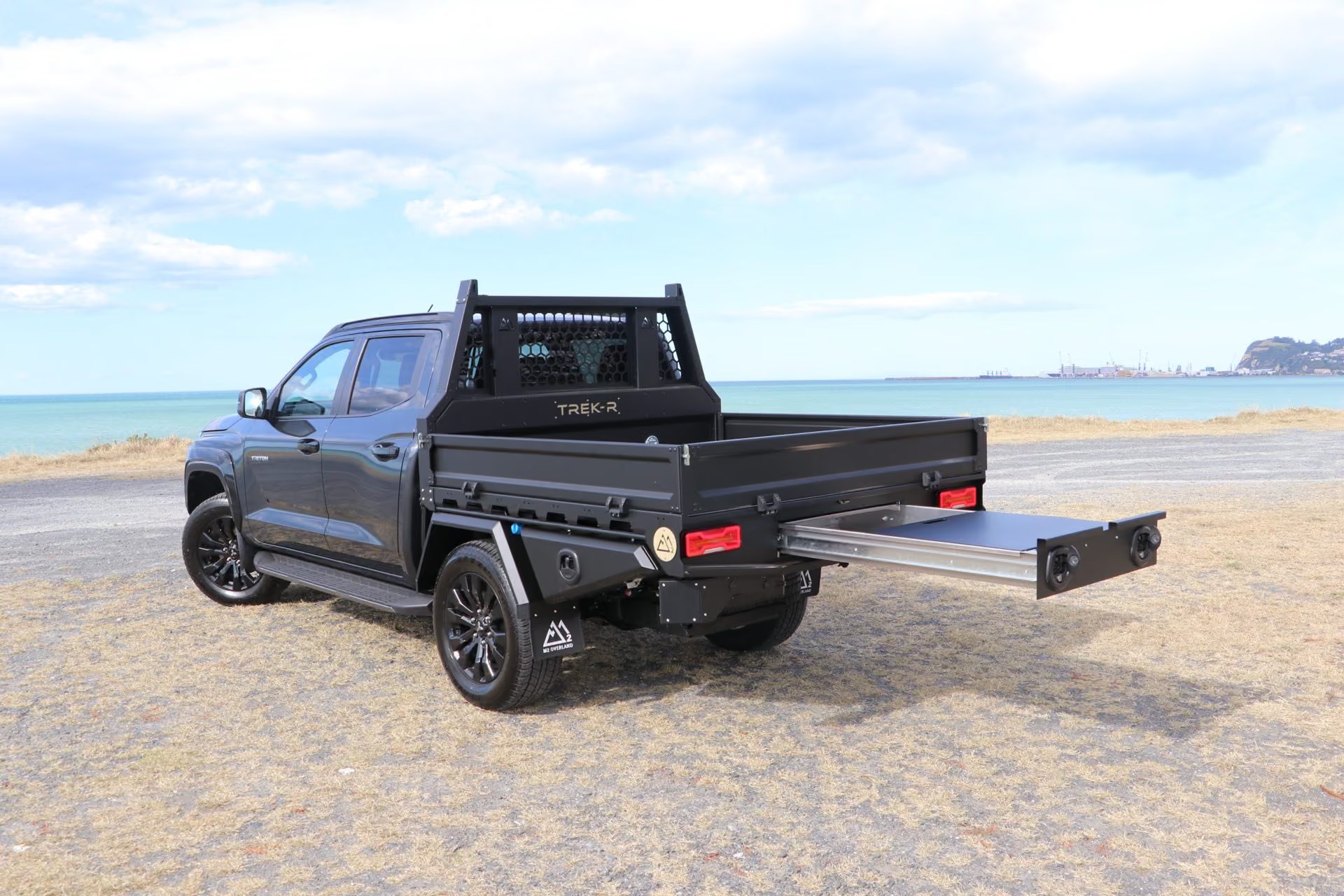
GVM vs Rear Axle - simple breakdown
- GVM = total vehicle weight limit
- Rear axle = where most of your load sits
You can:
- Be under GVM
- But over rear axle
That’s where builds go wrong.
Choosing the Right Setup for Your Triton
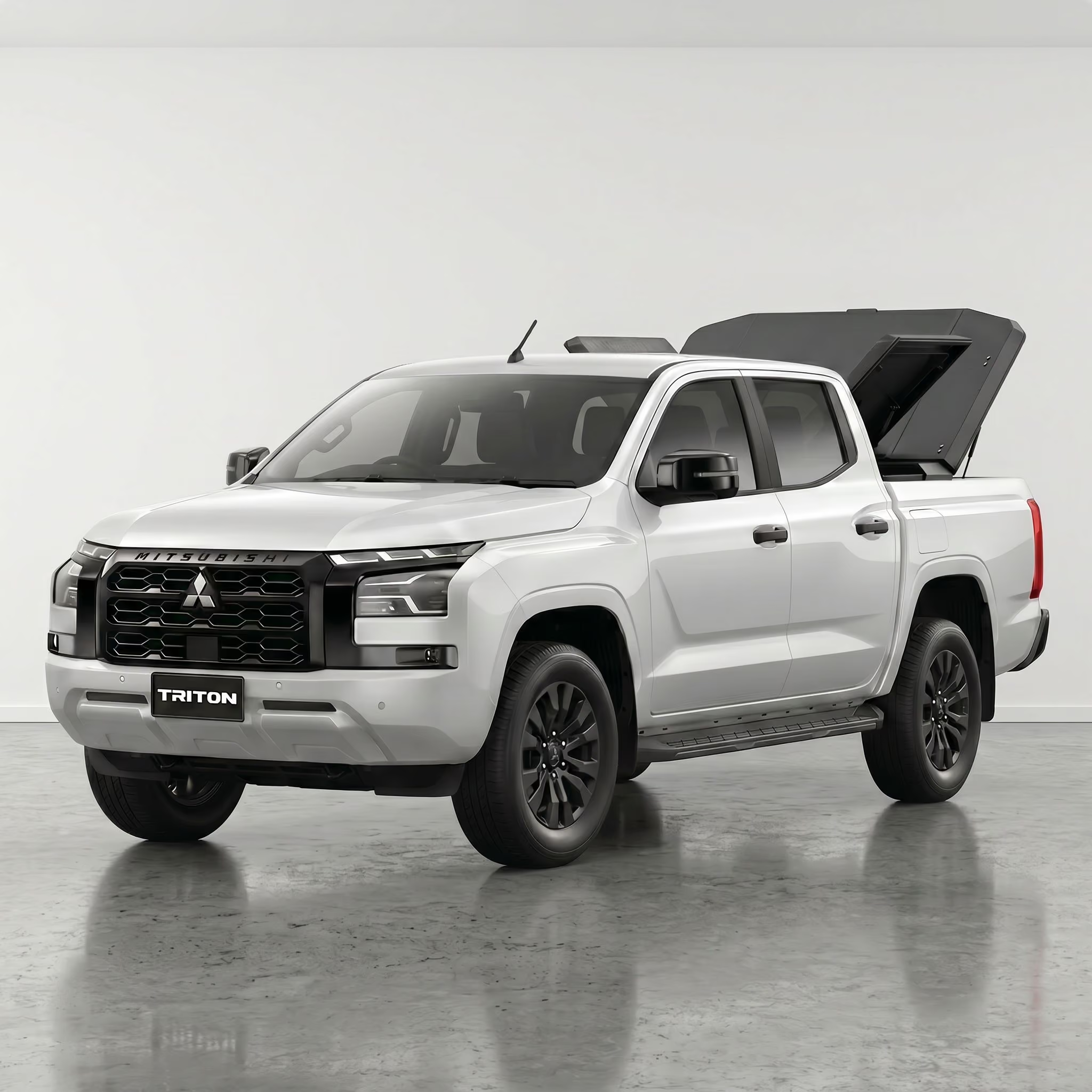
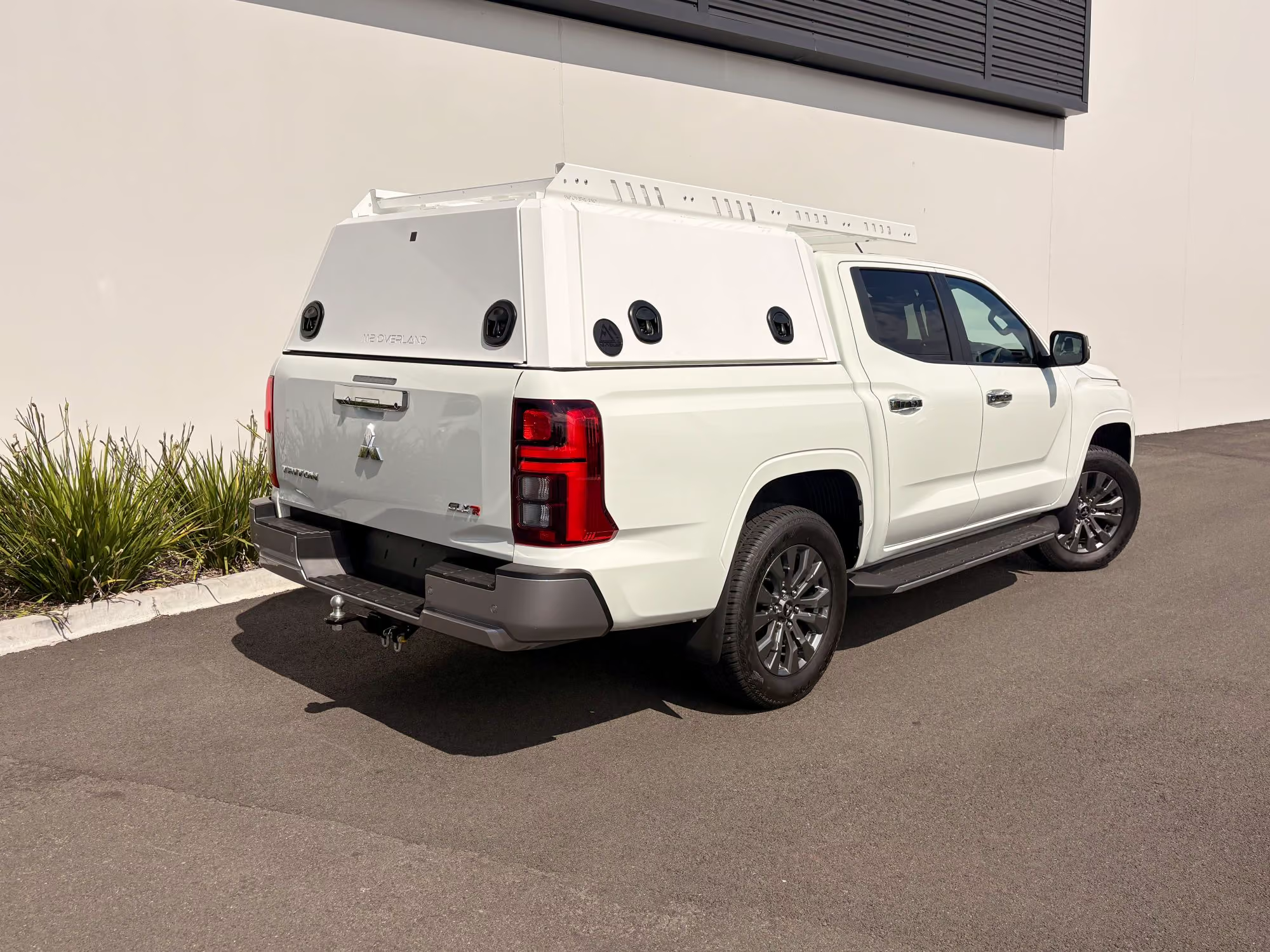
1. Hard Lid (Low profile, lightweight setup)
Best for:
- Daily use
- Light trade
- Keeping weight down
Why it works on Triton:
- Minimal added weight
- Keeps rear axle load low
- Clean, simple setup
Limitations:
- Limited storage volume
- No side access
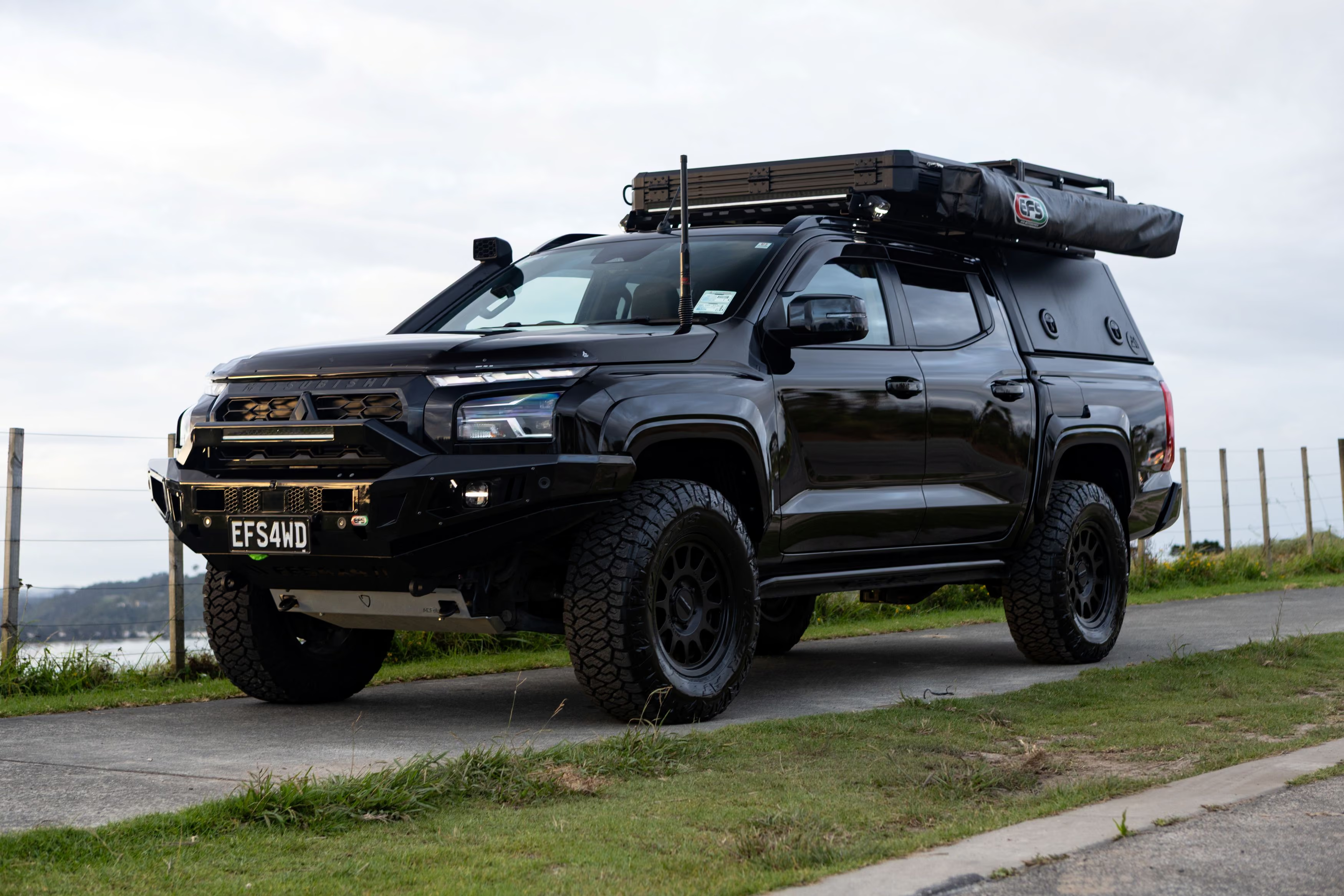
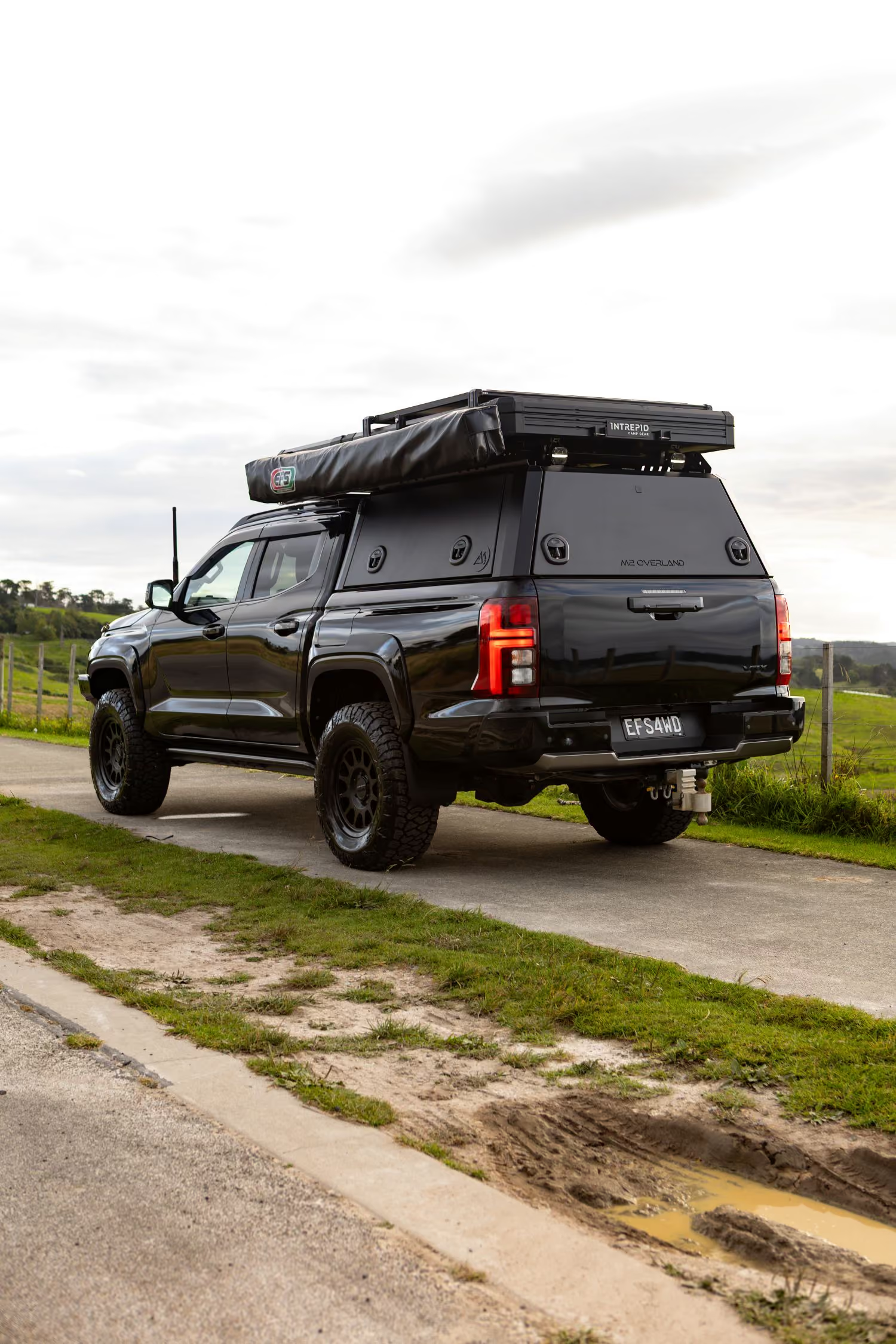
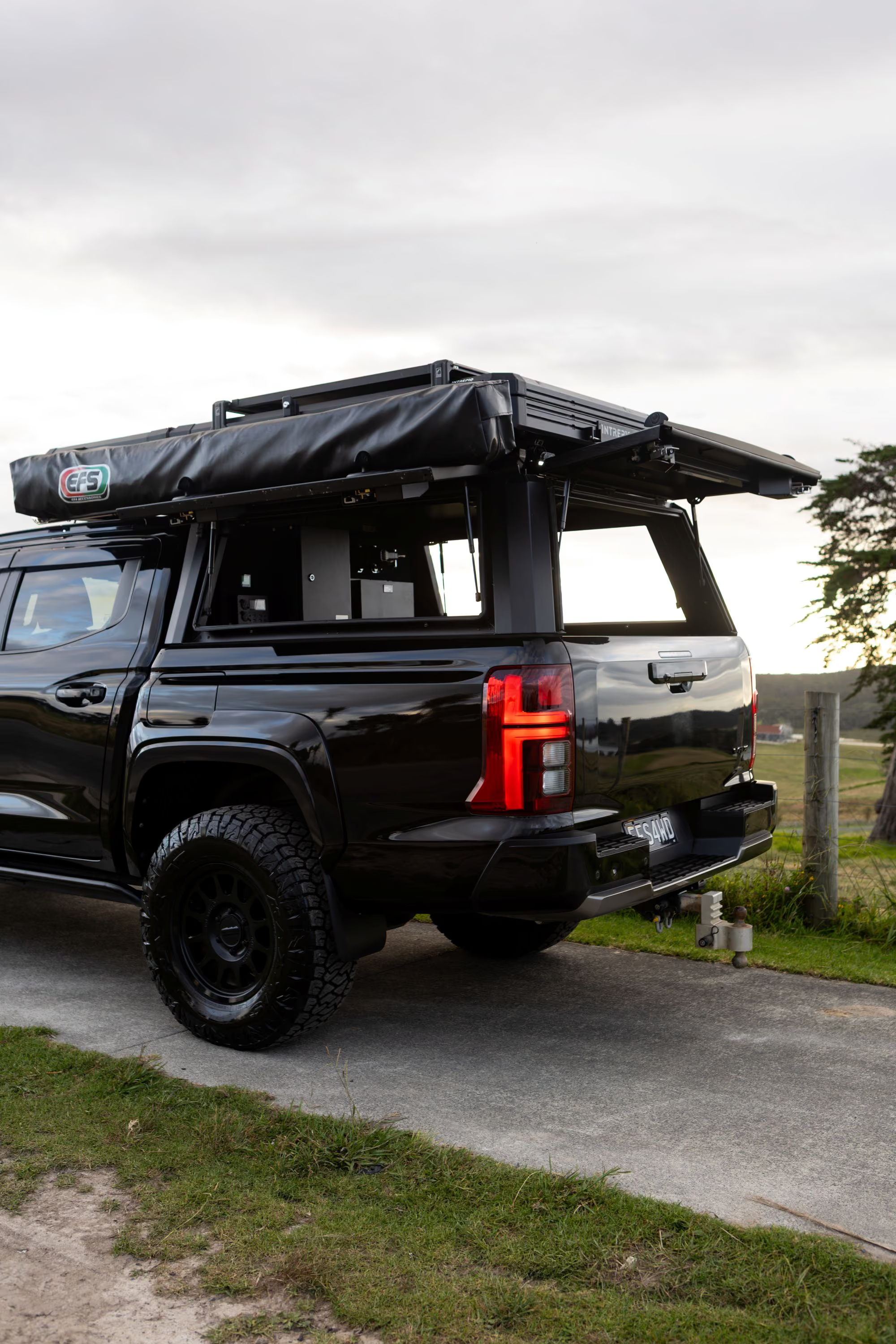
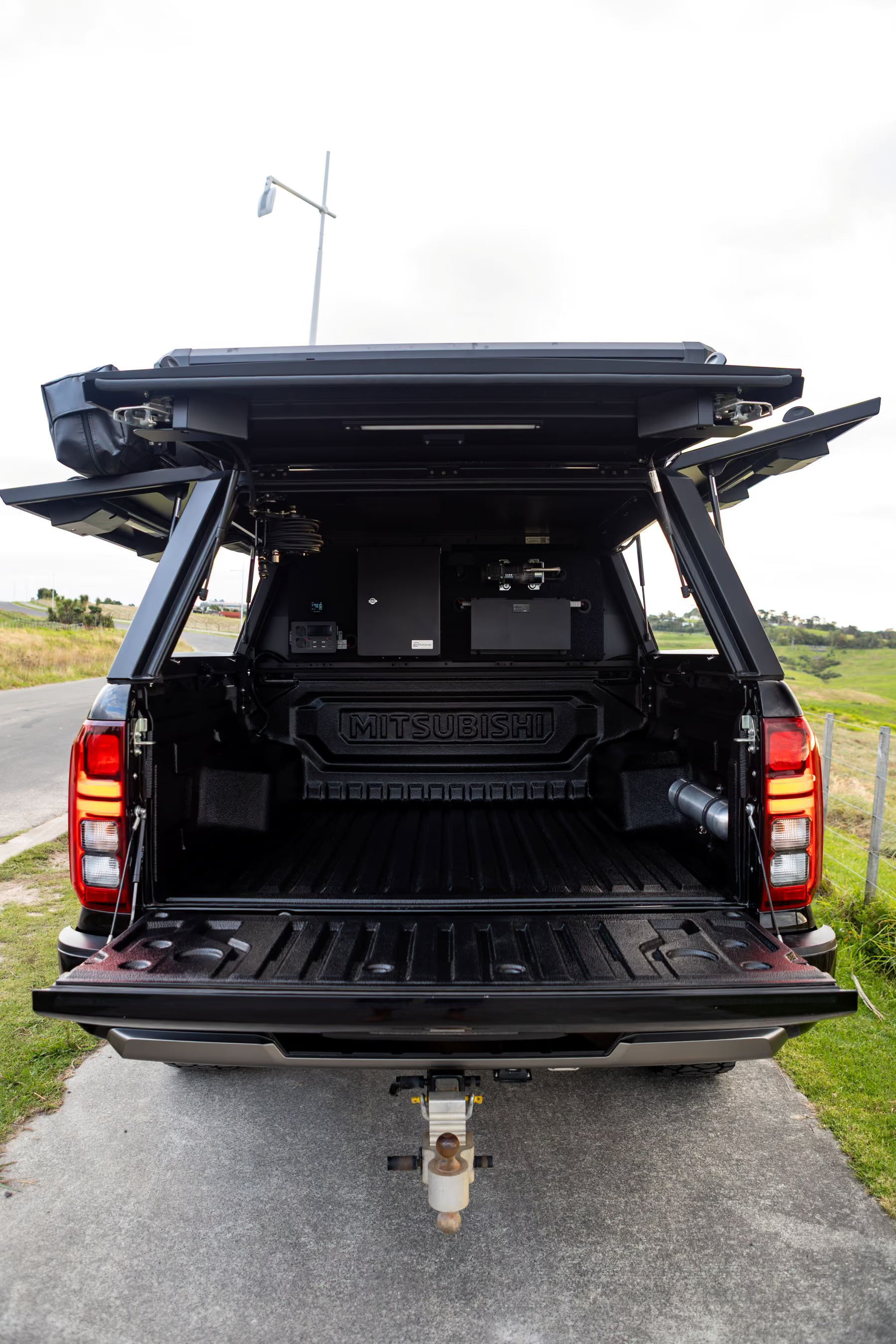
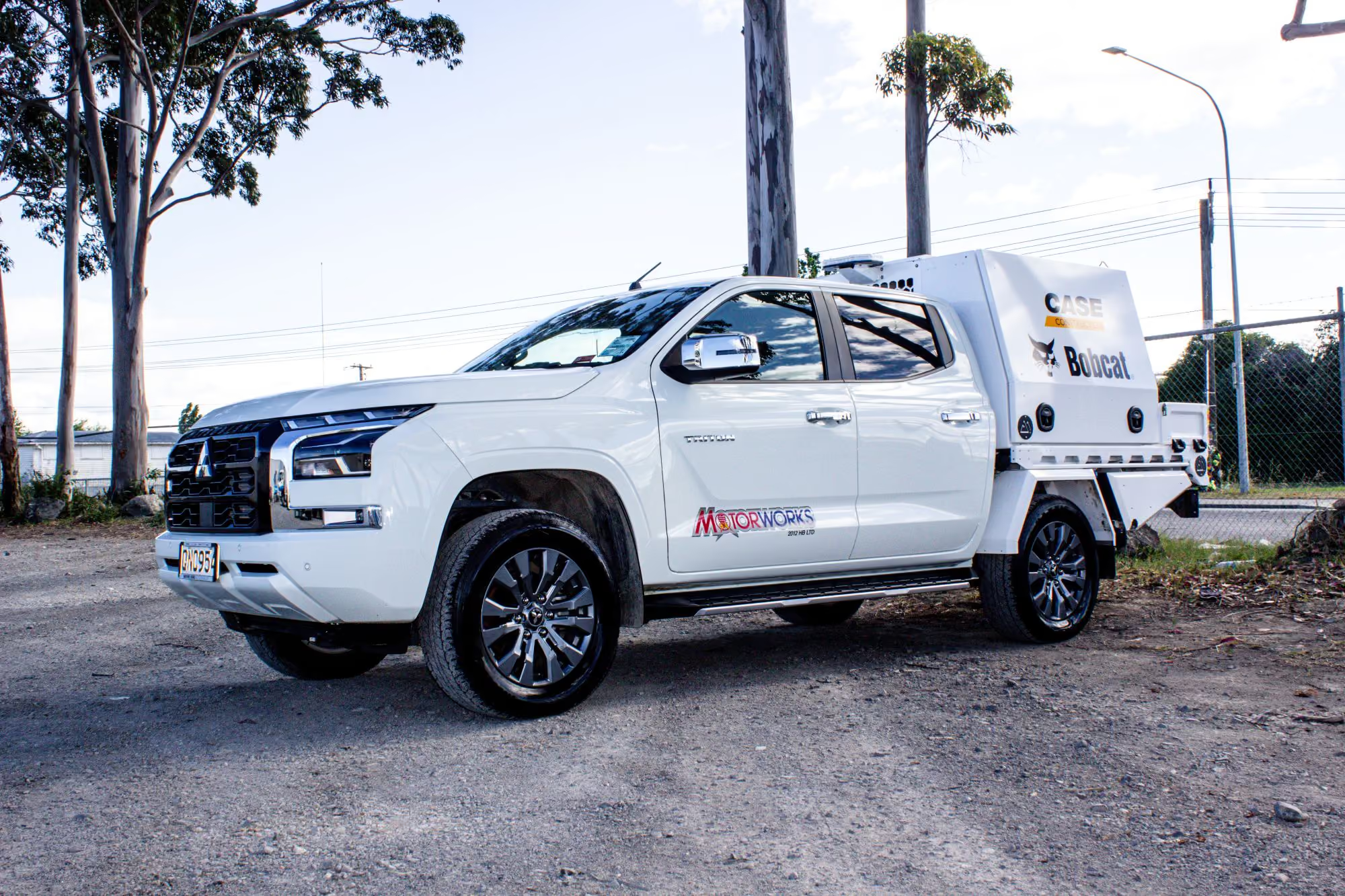
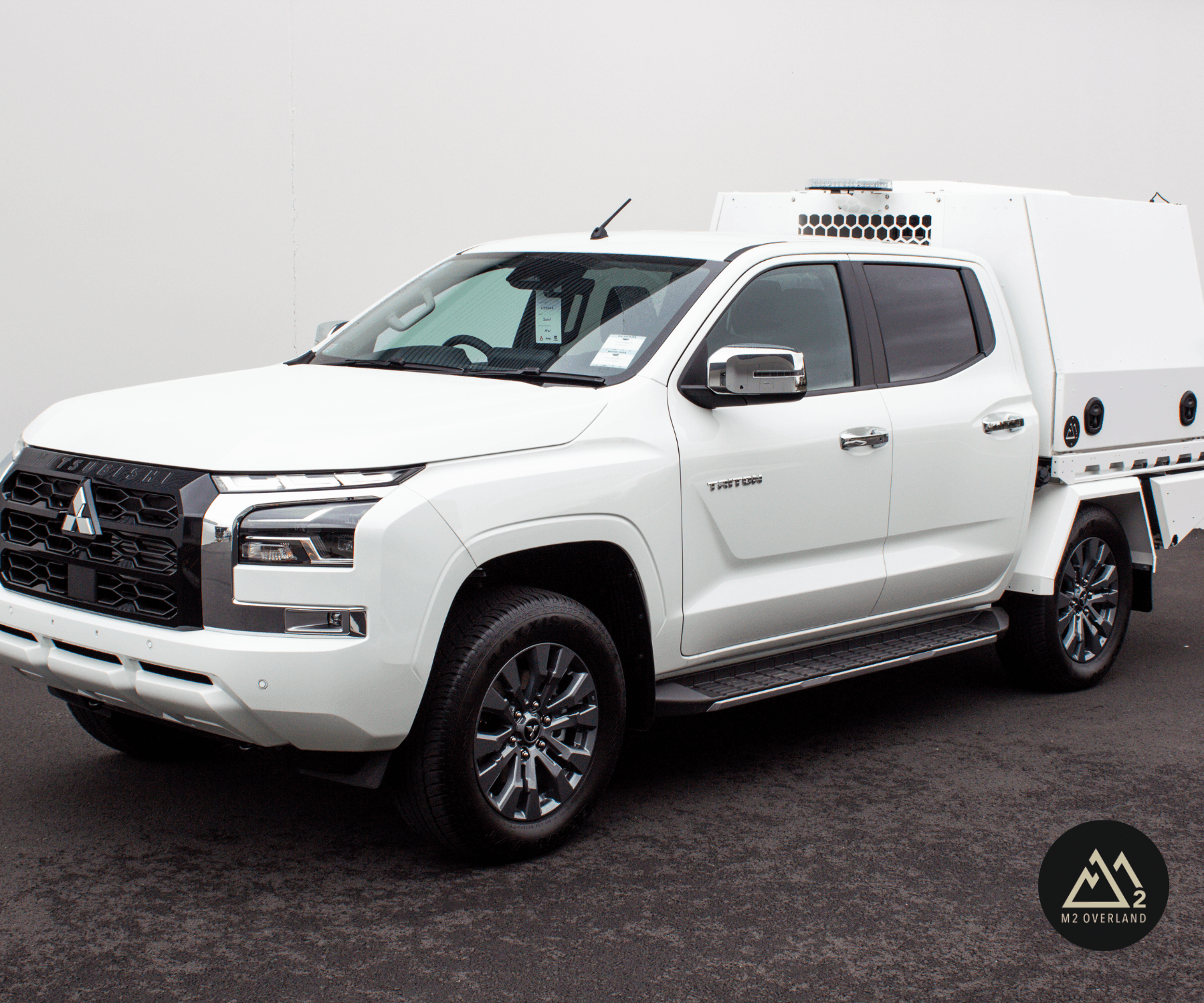
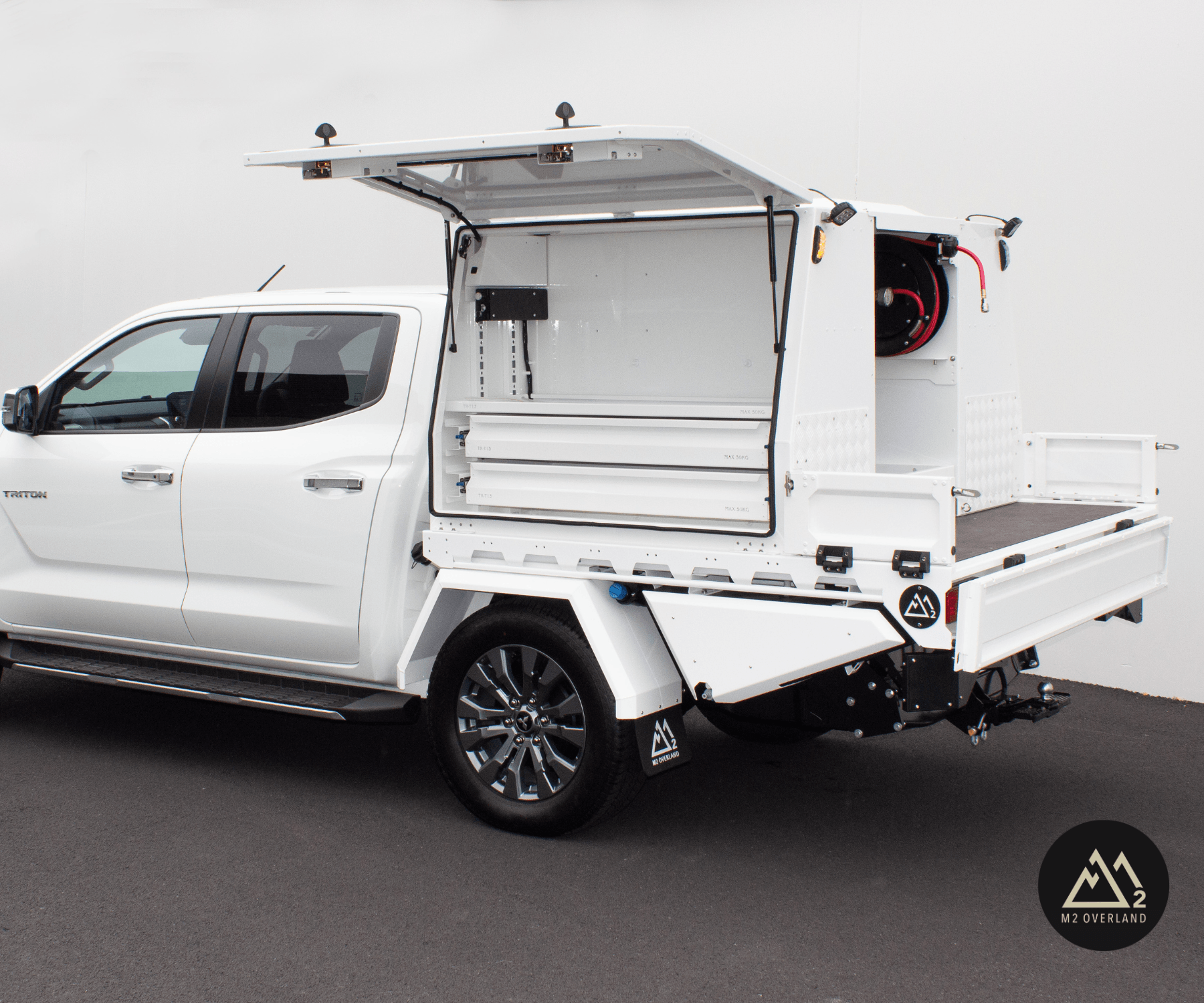
2. Wellside Canopy (Artemis System)
Best for:
- Trades
- Mixed work + lifestyle
- Organised storage
What it does well:
- Side access
- Secure storage
- Integrates with drawers and sliders
Why Triton suits it:
This is where the Triton starts to separate itself.
Once you add:
- Canopy
- Drawers
- Tools
You're loading the rear hard.
Triton handles this better than most - legally and practically.
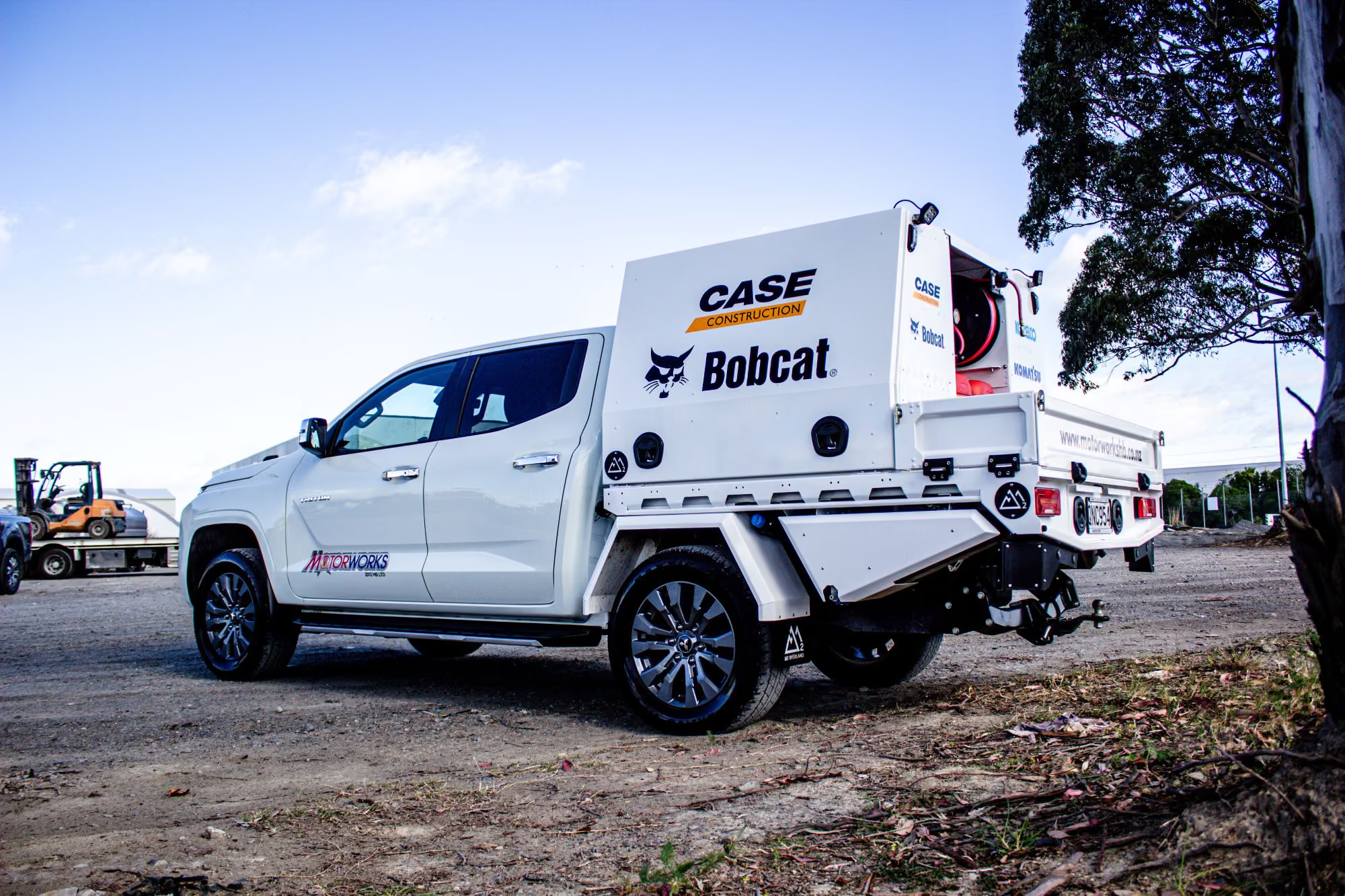
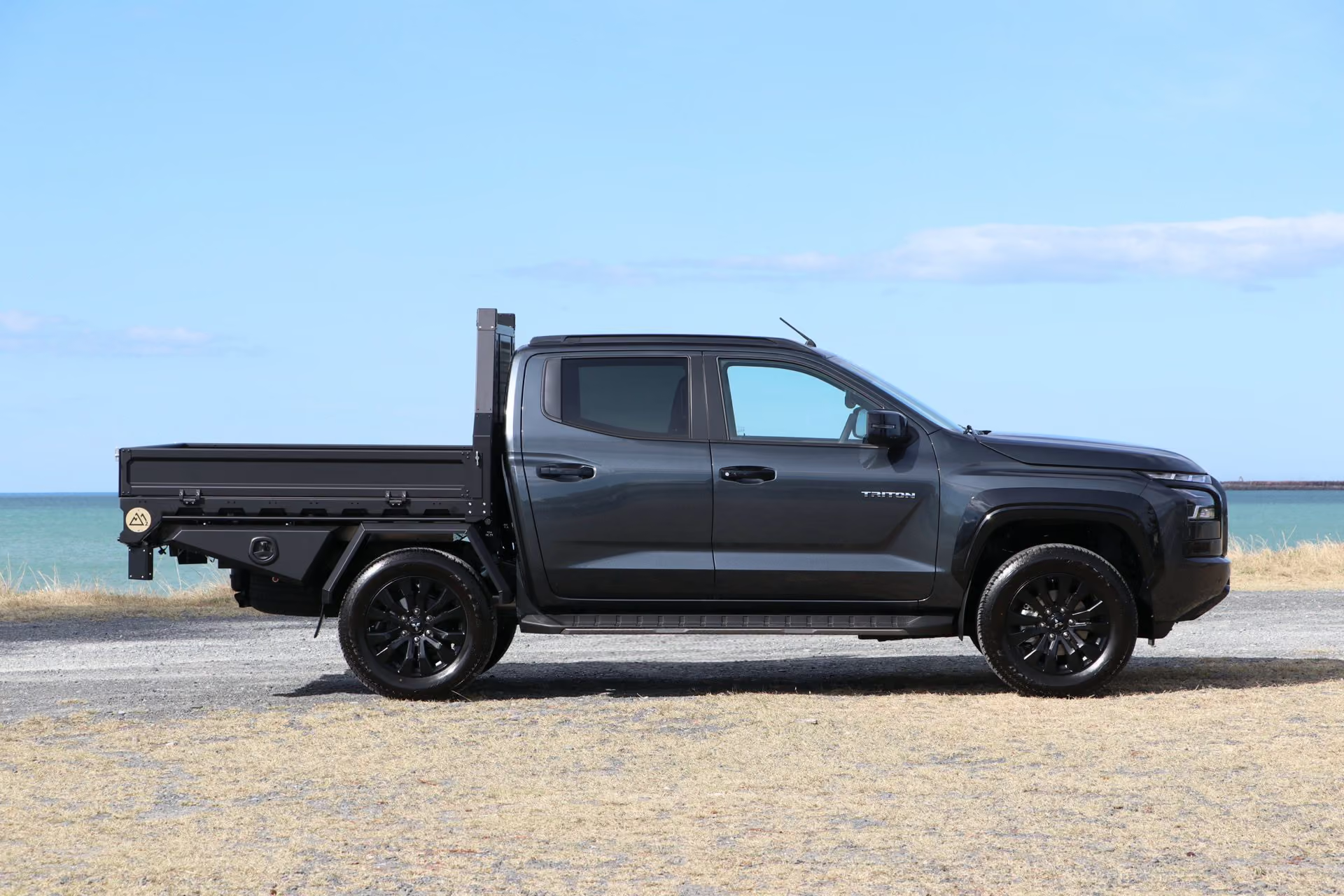
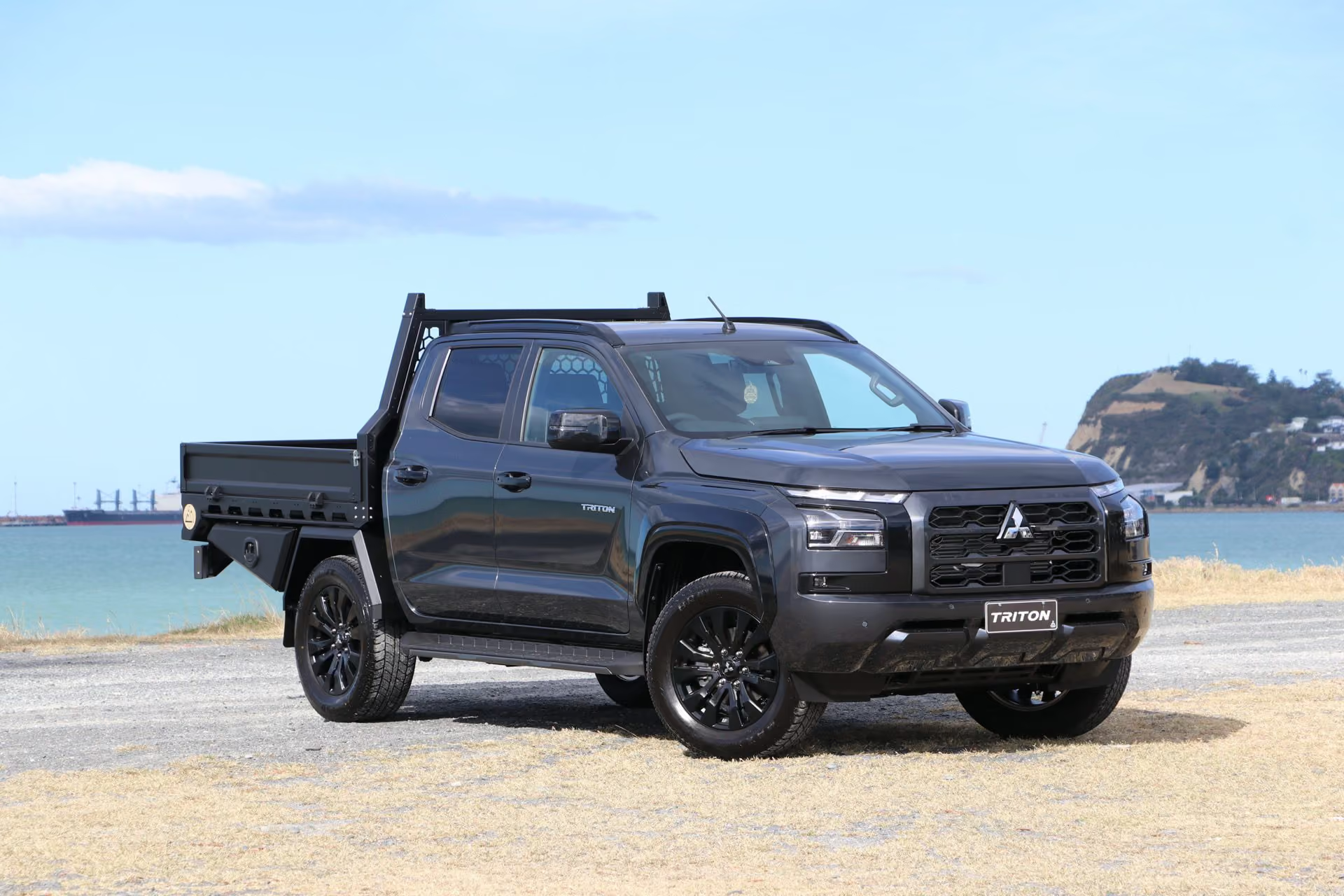
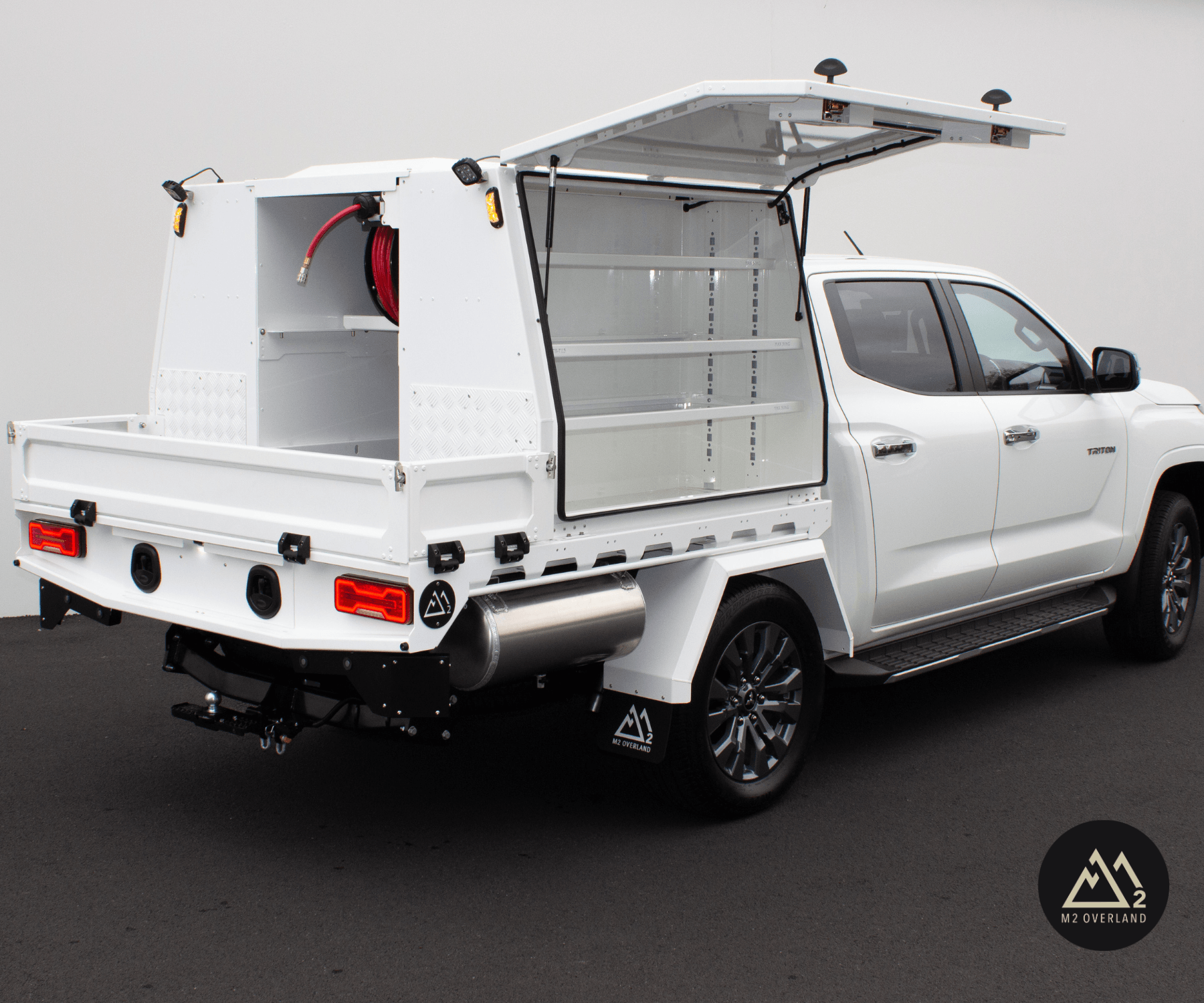
3. Tray & Canopy System (Trek-R)
Best for:
- Heavy trade setups
- Full touring builds
- Maximum storage and access
Why rear axle matters most here:
This setup:
- Adds the most weight
- Places it directly over the rear
- Pushes limits quickly on most utes
Triton advantage:
- Higher rear axle capacity
- More usable payload for full builds
- Less compromise when loading properly
Modular Systems - Build It Once, Build It Right
Everything is modular.
Start with:
- Hard Lid
Add:
- Drawers
- Canopy
- Electrical
Or go straight to
- Full tray and canopy set up
No wasted spend. No rebuilds later.
Where Most Builds Go Wrong
People underestimate weight.
Typical additions:
- Canopy: 80-150kg
- Drawers: 60-120kg
- Tools/gear: 200-500kg
- Towball weight: oftern 150kg+
That load stacks up on the rear axle.
Result on most utes:
- Overloaded rear
- Sagging suspension
- Illegal weights
- Poor handling
Triton reduces that risk:
- More rear axle capacity
- Better suited to real-world setups
Do You Still Need a GVM Upgrade?
Sometimes - but not always.
That’s the key difference.
With Triton:
- Many setups work within factory limits
- You may avoid upgrades altogether
- Or run lighter upgrades depending on use
How to Buy
New Triton
Buy through your dealer → we supply and install.
Existing Triton
Deal direct with us → build it your way.
Use the Price Builder
Step through your setup and see real pricing.
Why M2 Overland
- Built in New Zealand
- Designed for real use - not showroom builds
- Systems that actually integrate properly
- Electrical, lighting, and locking done right
- Proven across trade and recreational setups
Final Word
If you’re building a ute to actually carry gear - not just look good - the Mitsubishi Triton is one of the smartest platforms available.
It’s not about total weight.
It’s about where that weight sits.
And that’s where Triton wins.