
What Is GVM - And Why It Matters
Why You Need to Know Your GVM
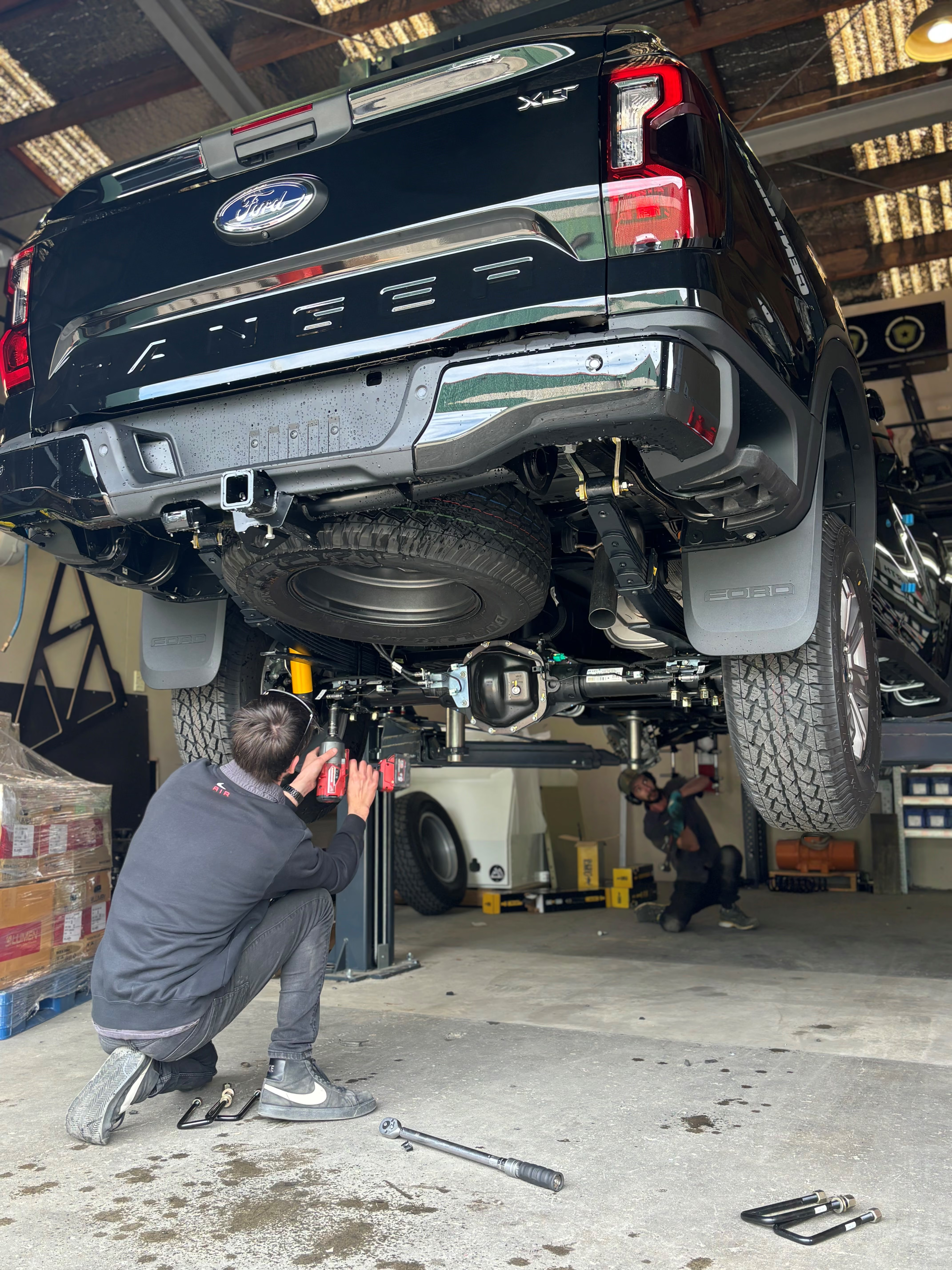
Whether you’re hauling gear to site or heading off-grid for the weekend, there’s one number that matters more than most: GVM. And most ute owners don’t realise they’ve already gone over it.
Going over your GVM doesn't just affect your suspension - it can:
Void your vehicle, tray and suspension warranties
Leave you uninsured in an accident
Seriously reduce braking and handling performance
Put you, your team, and others at risk
Even if you're upgraded your suspension or added airbags, you're not legal unless your GVM has been formally upgraded and certified.

Let's Break it Down - In Plain English
Kerb Weight
Kerb weight is the weight of the vehicle as it leaves the factory.
It includes fuel and standard fluids.
It does not include people cargo or accessories.
This is the starting weight of the vehicle.
Payload
Payload is everything you add to the vehicle after it leaves the factory.
Payload includes
The driver and any passengers
Trays, canopies and accessories
Tools, equipment, gear and cargo
The more you add the less payload you have left.
GVM (Gross Vehicle Mass)
GVM is the total weight of the vehicle when fully loaded.
GVM is made up of Kerb Weight plus Payload
If the total weight of the vehicle is greater than the GVM then the vehicle is overloaded and not legal.
What about Axle Weights?
Your GVM is important - but so is how that weight is distributed.
Each axle has its own limit, and it's easier than you think to overload the rear axle without hitting your full GVM.
Add in a canopy, drawers, a water tank, spare tyre, fridge, recovery gear, and a few hundred kilos of tools - you're there.
It Adds Up - Fast
Here's a rough look at how quickly weight stacks up:
Item & Weight (Approx.)
Steel tray & canopy 250–300kg
200Ah lithium battery 25kg
Water tank (50L) 50kg
Long-range fuel tank (130L) 130kg
Tools (plumber/sparky) 100–200kg+
Driver + 1 passenger 150–180kg
Fridge + slides 40kg
Drawers 80–120kg
Roof rack & RTT 80–100kg
Compressor & recovery gear 40–60kg
Total? Well over 800kg — and that’s before you’ve added weekend gear or a full tank of fuel and water.
Trade-Specific Weight Loads
Trade Typical Loadout Weight
Electricians - 100–200kg tools + parts
Plumbers - 150–250kg incl. copper, PVC
Builders - 300kg+ incl. timber, saws
HVAC Techs - 200 – 300kg incl. units/tools
Weekend Warriors - 200 – 400kg adventure gear
Even a modest work setup can put you over your payload before breakfast.
Can I Increase my GVM?
Yes - but only through an approval GVM upgrade with certified suspension and paperwork..
Common GVM Upgrade Providers:
- Pedders GVM+ kits
- ARB/Old Man Emu GVM upgrade packages
These aren’t just heavy-duty springs - they’re tested, engineered, and legally certified to raise your GVM. They must be installed by a licensed facility, with compliance plate and paperwork for WOF and insurance purposes.
No certification = no legal upgrade.
FAQs
Q: I’ve added air bags or heavy-duty springs — am I legal?
A: No. You can only carry more if your GVM is formally upgraded and certified.
Q: What happens if I go over GVM?
A: You could void your insurance, damage your suspension, overheat your brakes — and worst case, hurt someone.
Q: How do I know if I’m over?
A: Visit a weighbridge with your full load, or talk to us — we can help you assess it properly.
Our Take
At M2, we’ve seen it all - bent chassis, failed shocks, denied insurance claims.
Don’t risk it. Know your GVM, weigh your setup, and if you’re running close - talk to us about a certified GVM upgrade.
Your ute is built for hard work - but only if it’s built smart.


